
Never Let a Supplier Show You Only One Scheme
An Indian EMS provider asked for a depanelizer. We put three schemes on the table - punch type, groups-blade with traversing blade, and multi-blade - and let the panel decide. It did not pick the one we started with.
Aug 30, 2026 · Updated Aug 30, 2026 · Jason Wu
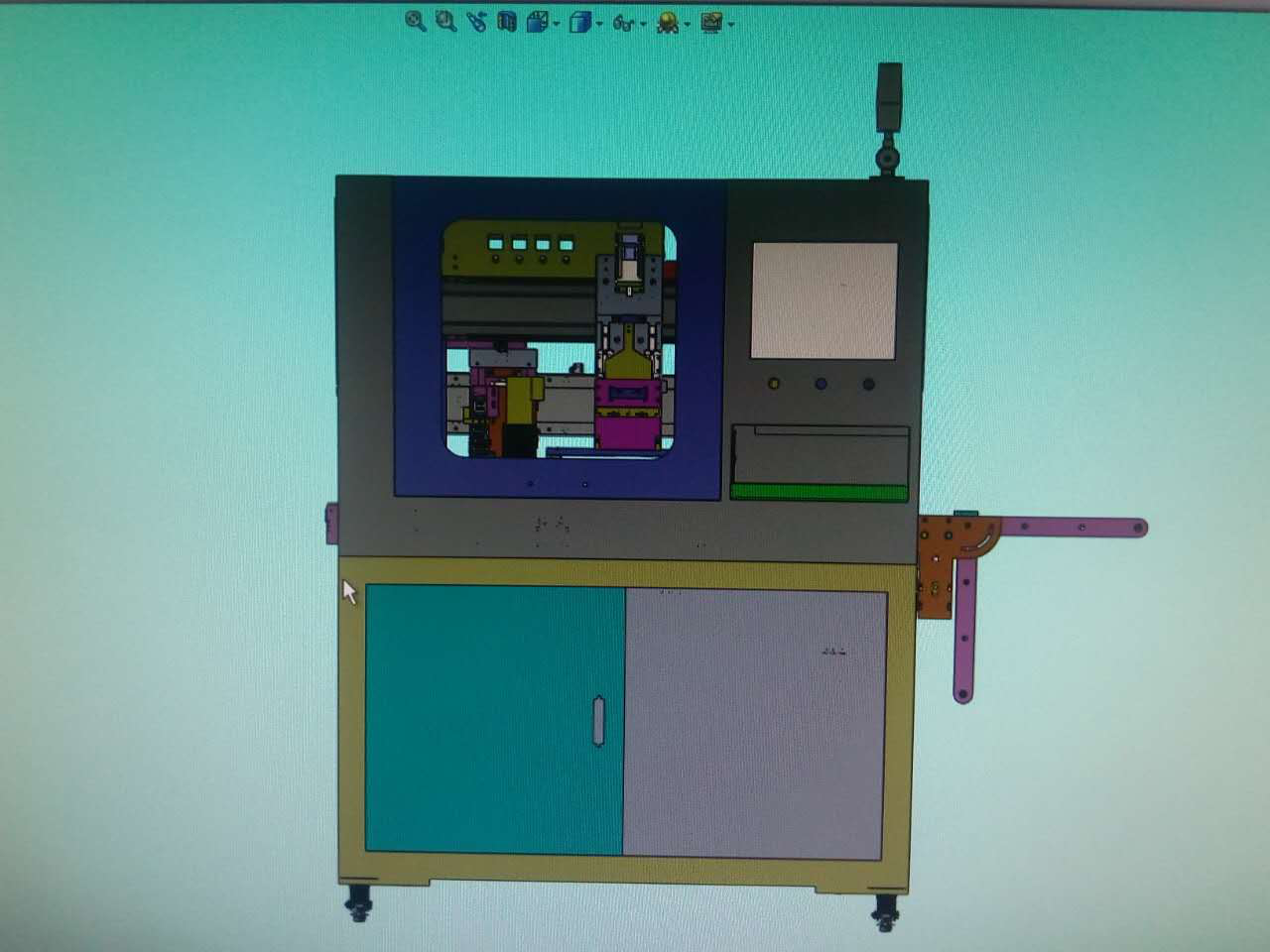
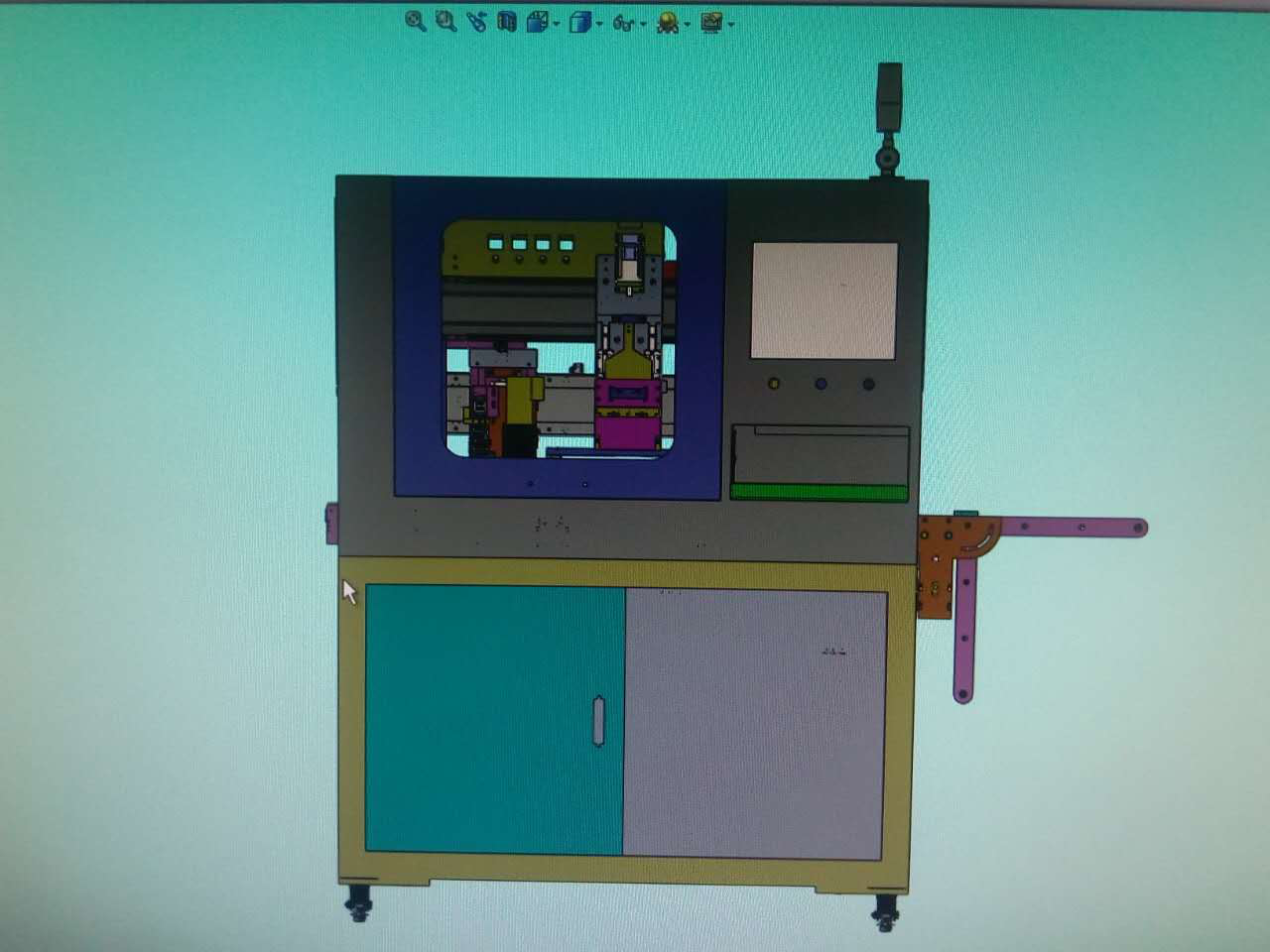
An online routing PCB separator. In this case, the desktop router option was evaluated first and lost on throughput; the multi-blade groups-blade scheme matched the panel. Product page: smthelp.com/s-d3500s-online-routing-pcb-separator-pcb-board-auto-cutting-machine.html
The first machine we proposed was wrong, and the customer was right to make us say so
An Indian EMS provider running several plants already had a guillotine-type V-cut separator. They wanted fewer passes per board, and they added a requirement that quietly shaped everything: after depaneling, the small boards had to be taped into reels for the next station.
We started with a desktop router. We ran the numbers on 11-13 Nov 2025. It did not match their volume, and we said so. The scheme that won was the third one we drew up.
A single recommendation is not a decision, it is a preference
Here is what goes wrong with capital equipment selection in most plants. You describe the requirement, and the supplier sends one quotation for one machine. Now you are not choosing a machine - you are deciding whether to trust one person.
That is an unfair position to put a process engineer in, and it produces a predictable outcome: the order goes to whoever presented most confidently, and eighteen months later nobody can explain why the other options were rejected. The knowledge that would justify the decision was never written down because it never existed.
The guillotine makes this concrete. One straight cut per pass. A board needing several cuts on different axes means several passes, an operator turning the board each time, and handling damage at the edges. The fix is not "buy a better guillotine". The fix is comparing cut strategies against your actual panel.
The three-scheme rule
For any capital purchase above a threshold your finance team cares about, require three documented schemes. Not three vendors - three schemes, which is harder and more useful.
Scheme A: the incremental option. Improve what you already run. Cheapest, fastest, usually leaves the core constraint in place.
Scheme B: the hybrid. New mechanism working alongside the existing one. Lower risk, moderate gain, and often the right answer when the existing machine is still sound.
Scheme C: the step change. Purpose-built for the panel. Highest capability, highest commitment.
Then apply two filters. First: every scheme gets evaluated on the customer's real panel, not on a datasheet panel. Second: the reasoning gets written down, including the reason for rejecting A and B. That document is what you will need when someone asks in year two why the machine is configured the way it is.
Three schemes, one panel, one winner
In Dec 2025 we put three schemes in front of this customer. Scheme one: a punch-type separator. Scheme two: a groups-blade cutter with a traversing blade, working alongside their existing V-cut machine. Scheme three: a multi-blade groups-blade separator sized to the panel.
Scheme three won on 20 Dec 2025, and the proposal was built around their actual panel rather than a datasheet. Six fixtures were quoted on 26 Nov 2025 so the machine could be tooled for the whole panel set, not just the sample.
Two details from the delivery are worth more than the machine choice. The customer was hosted for a factory visit on 4 Sep 2025, before any order, so they could see the build quality first-hand. And inspection plus operator training were completed on 23 Jan 2026 with the software manual localised before handover, not after a support ticket. Shipment documentation followed on 31 Mar 2026, and a new fixture enquiry on 15 May 2026 suggests the machine is running.
On evidence: all of the above is a delivery record. Cut-count reduction is the design objective of the selected scheme, not a measured post-installation figure - we did not instrument the line after handover.
The file you should be keeping
Start a folder for every capital decision with the three schemes and the rejection reasons in it. Two years from now it is the fastest onboarding document you own.
Next in this series: a six-year spares relationship in the British Isles, and the fault we diagnosed without knowing the part number.
This article is part of Case Files: 20 Real SMT/THT Projects - twenty de-identified field projects from Southern Machinery. Each one carries the symptom the customer reported, the engineering decision we made, and the delivery record that followed. Customer names, prices and contract values are removed; dates, team members and machine classes are real.
What to do on Monday
Take your last capital purchase and write down the two options you rejected and why. If you cannot, that is your next process fix.
If depaneling is on your list this year, send us the panel drawing and your current cut sequence.
Note: This configuration is a draft and must be finalized and reviewed by our senior Sales Engineer (Jason Wu).
Action Required: Please provide your Gerber file or PCB drawings to info@smthelp.com for an accurate capacity simulation and nozzle engineering validation.
Comments
Comments appear after approval.