
Price the Wear Parts Before You Price the Machine
A 400 x 250 mm LED driver board with both axial and radial components, quoted in Serbia in two days. The capital configuration was the visible half. The carrier clips were the half that decides whether the machine runs i
Aug 30, 2026 · Updated Aug 30, 2026 · Jason Wu
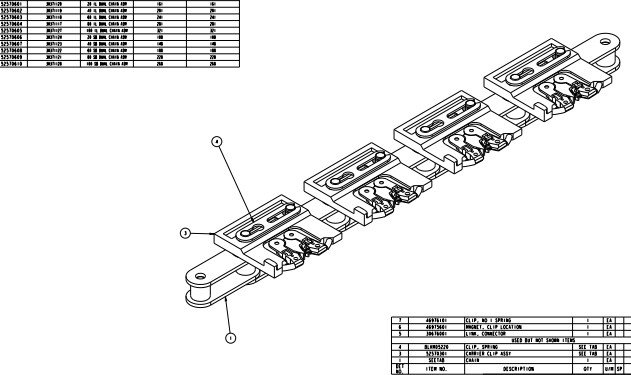
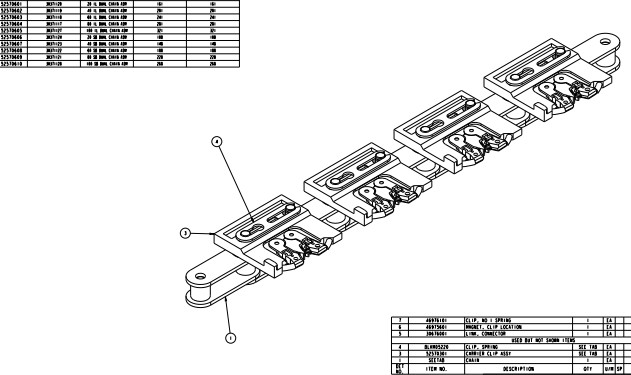
Radial carrier clips. They wear continuously, and if they are not stocked the machine stops for a part that costs very little - the most expensive kind of downtime there is. Product page: smthelp.com/product/carrier-clip-for-uic-radial-insertion-machine
The part that stops your line costs less than the coffee in the meeting where you decided not to stock it
A European manufacturer of lighting control gear enquired in Jan 2026 about insertion capacity for LED driver and ballast boards. The binding constraint was board format: up to 400 x 250 mm, with both axial and radial components on the same assembly.
They also run UIC-class radial equipment. That single fact brought a second requirement into the project on day one - radial carrier clips, which wear continuously and, if they are not on the shelf, take the machine down for a part that costs very little.
You budgeted the machine and forgot the machine's appetite
Every capital request has to survive a buying process built around one number. That structure pushes everything recurring out of scope: consumables, wear parts, the service visit in year two. The machine gets approved. Its appetite does not.
Then the failure arrives on a predictable schedule. Month nine, a wear part runs out, and purchasing discovers that the reorder path was never established. The part is inexpensive and the lead time is not, so the line waits three weeks for a component that was never going to be the expensive part of this project.
There is a second problem specific to large boards. A 400 x 250 mm panel is large for an insertion machine, and mixing axial and radial parts on it means either two machines or one machine with both heads. That is a genuine configuration decision with real consequences - and it is exactly the kind of decision that gets deferred because the consumables question seemed more urgent at the time. Both questions are urgent. Only one of them shows up in the capital budget.
Consumables-first capital buying
Run these four steps before the capital request goes in, not after.
1. List every wear part the machine consumes. Carrier clips, cutters, anvils, fingers, belts, filters. Ask the vendor for the list; if they cannot produce one, that is information about the vendor.
2. Attach a duty cycle to each. Not "replaced periodically" - replaced every how many shifts, at what production volume, in your conditions.
3. Establish the reorder path before the machine arrives. Approved supplier, minimum stock level, named person. A stocked consumable with no reorder path is a one-cycle solution.
4. Get approved-supplier status done in parallel with the capital evaluation. Vendor registration typically takes longer than machine selection. Start it at the same time and it stops being a gate.
What we did in Serbia
Enquiry received 25 Jan 2026. Kevin Yang ran the background research while Jason Wu built the configuration and produced two machine landing pages to use as technical collateral.
On 27 Jan 2026 - two days after the enquiry - we completed supplier registration and issued a combined axial and radial quotation sized for the customer's stated 400 x 250 mm maximum board. On 2 Feb 2026 the radial carrier clip requirement was quoted separately, as a stocked consumable rather than as an afterthought. The enquiry was followed up again on 17 Apr 2026.
Stated plainly: the capital order had not been placed when this was written. The figures above are a quotation and supplier-registration record from our project system. Board size is the customer's stated maximum. No machine has been installed, so no production measurements exist - and we would rather tell you that than imply otherwise.
The audit worth doing this quarter
Pick your three highest-uptime machines and write down the wear part that would stop each one tomorrow. Then check whether it is on the shelf. That is a thirty-minute exercise and it usually finds at least one surprise.
Next in this series: wave soldering pallets that had to return to the start of the line, and why the AGV was the last thing we specified.
This article is part of Case Files: 20 Real SMT/THT Projects - twenty de-identified field projects from Southern Machinery. Each one carries the symptom the customer reported, the engineering decision we made, and the delivery record that followed. Customer names, prices and contract values are removed; dates, team members and machine classes are real.
Do this before the next capex round
List the wear parts for the machine you are about to buy. If the vendor cannot give you the list, ask why.
Send us your board dimensions and component mix - axial, radial, or both - and we will size the configuration to the panel.
Note: This configuration is a draft and must be finalized and reviewed by our senior Sales Engineer (Jason Wu).
Action Required: Please provide your Gerber file or PCB drawings to info@smthelp.com for an accurate capacity simulation and nozzle engineering validation.
Comments
Comments appear after approval.