
Six Study Steps Before the First Quotation
A French EMS provider asked for titanium wave soldering fingers in Jan 2026. The purchase order arrived on 8 Apr 2026 - and the six-step study sequence that produced it is worth copying in full.
Aug 30, 2026 · Updated Aug 30, 2026 · Jason Wu
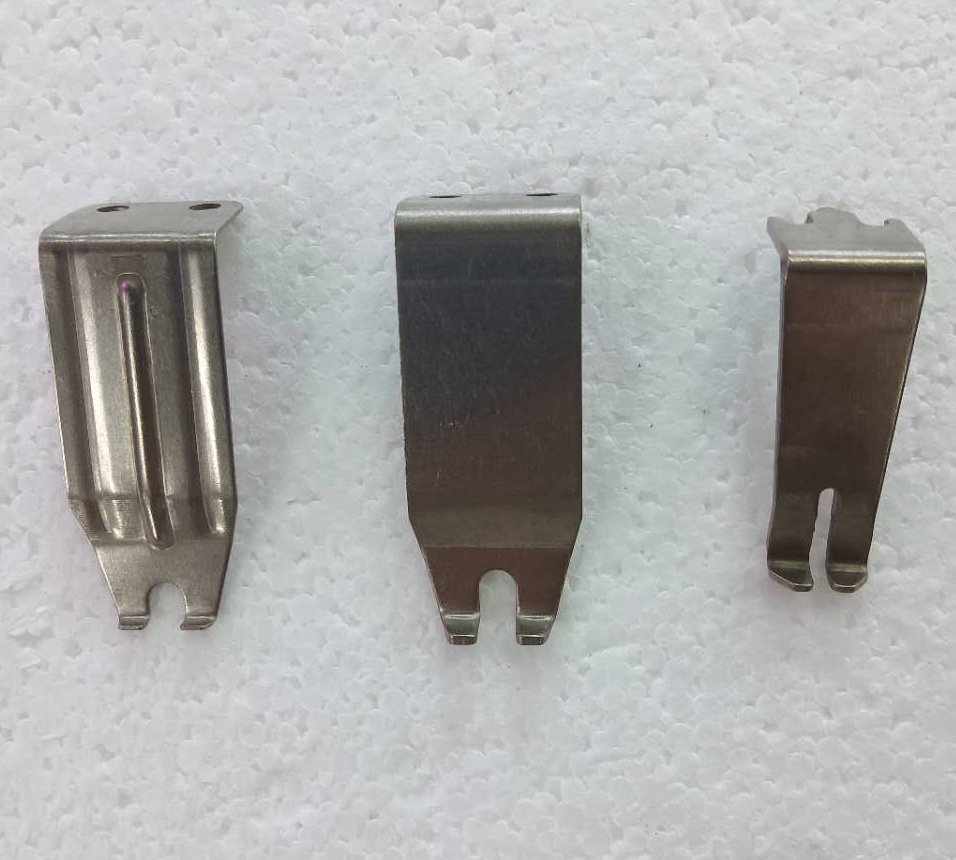
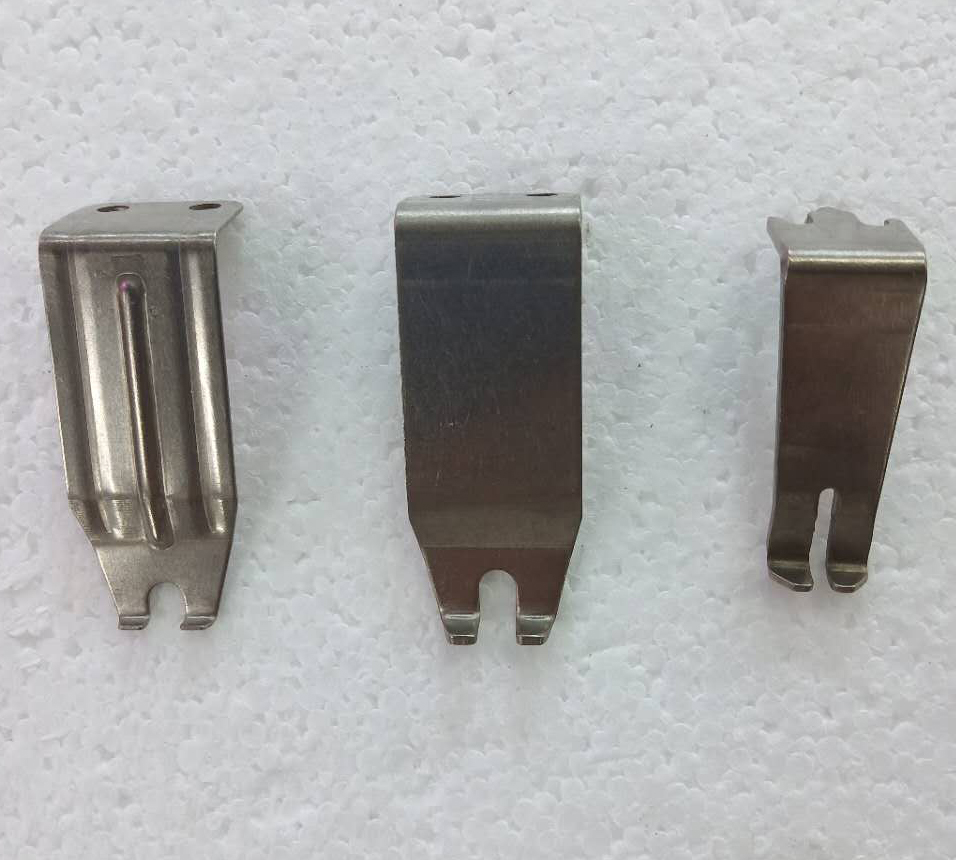
Titanium wave soldering fingers. Titanium is chosen for wear life and reduced dross adhesion; the profile still has to match the finger holder exactly. Product page: smthelp.com/product/china-made-wave-soldering-finger-for-pcba
The account was opened in January and the quotation went out in March, on purpose
A French family-owned EMS provider, founded in 1983 by engineers from in-circuit test, enquired about wave soldering titanium fingers in Jan 2026. The purchase order arrived on 8 Apr 2026.
Roughly twelve weeks. In a category where most suppliers reply within a day, that gap looks like a failure. It is the most useful thing about this account, because the sequence recorded on it is worth reading as a method rather than as a delay.
You are choosing between two ways to lose the order
On a consumable part, the first reply is where the account is decided - in both directions. Quote too early and the finger profile is wrong, which you find out when the batch arrives and won't clamp. Quote too late and the customer has already bought from whoever replied first.
Both failure modes come from the same cause: treating the quotation as the deliverable. It is not. The deliverable is a correct specification, and the quotation is a document that records it.
There is a third pressure that pushes people into the early-quote trap. The enquiry arrives with commercial questions attached - pricing queries and logistics questions - and the instinct is to answer everything at once to look responsive. Answering the logistics question before you know the part is how you end up committing to a freight arrangement for the wrong item.
The six-step first response
Run these in order. The sequence matters more than the speed of any individual step.
1. Learn the product. Not the datasheet - the actual variants, what titanium buys you over other materials, and where the specification boundaries are.
2. Review the cases on record. Which machines this profile has been matched to before, and what happened. This is evidence, and it is what makes step six credible.
3. Draft the approach. How you are going to present it, in what order, to whom.
4. Research the customer. Their process, their machines, and the standard they are held to. A company founded by test engineers reads a quotation differently from one founded by production engineers.
5. Break down the inbound email. What was asked, what was implied, what was not asked but will be asked next. Most enquiries contain a second question the buyer has not written down yet.
6. Then prepare the reply - with the follow-up already planned. Including the commercial and logistics answers, which you can now give accurately because step one is done.
What that produced
Light Zhan handled the account and did not start with a quotation. On 2 Mar 2026 six study steps were completed: learning the titanium finger product, reviewing the successful sales cases on record, drafting the marketing approach, researching the customer, breaking down the inbound email, and preparing the follow-up. Only then came the quotation reply, including the commercial and logistics questions the customer had raised.
The purchase order arrived on 8 Apr 2026. The PI and the logistics arrangements were handled the same day - which is the payoff for having answered the logistics question in step six rather than in step one. No second round, no revised freight quote, no clarification email.
The commercial and logistics questions were answered before the order, not after it. That removed the round that usually sits between a purchase order and a shipment.
Evidence: delivery record from our project system. Dates are real; no pricing and no customer identity.
The step you are skipping
Look at the last three technical enquiries you answered. Count how many of the six steps happened before the quotation went out. If the answer is fewer than two, you are optimising response time over correctness, and the cost lands during installation.
Next in this series: a lapsed account in Central Europe, and why we reopened it on a product line that had never been sold there.
This article is part of Case Files: 20 Real SMT/THT Projects - twenty de-identified field projects from Southern Machinery. Each one carries the symptom the customer reported, the engineering decision we made, and the delivery record that followed. Customer names, prices and contract values are removed; dates, team members and machine classes are real.
Which step is missing
Take the next technical enquiry you receive and run the six steps before you reply. Time the difference.
If titanium fingers are on your maintenance list, send us the machine model and a photograph of the fitted finger.
Note: This configuration is a draft and must be finalized and reviewed by our senior Sales Engineer (Jason Wu).
Action Required: Please provide your Gerber file or PCB drawings to info@smthelp.com for an accurate capacity simulation and nozzle engineering validation.
Comments
Comments appear after approval.