
Study the Part Before You Quote the Part
Wave soldering fingers for an Indian EMS provider, quoted three days after the enquiry — and only after a structured product study was finished on 13 Dec 2025. Rushing to reply is what gets the profile wrong.
Aug 30, 2026 · Updated Aug 30, 2026 · Jason Wu
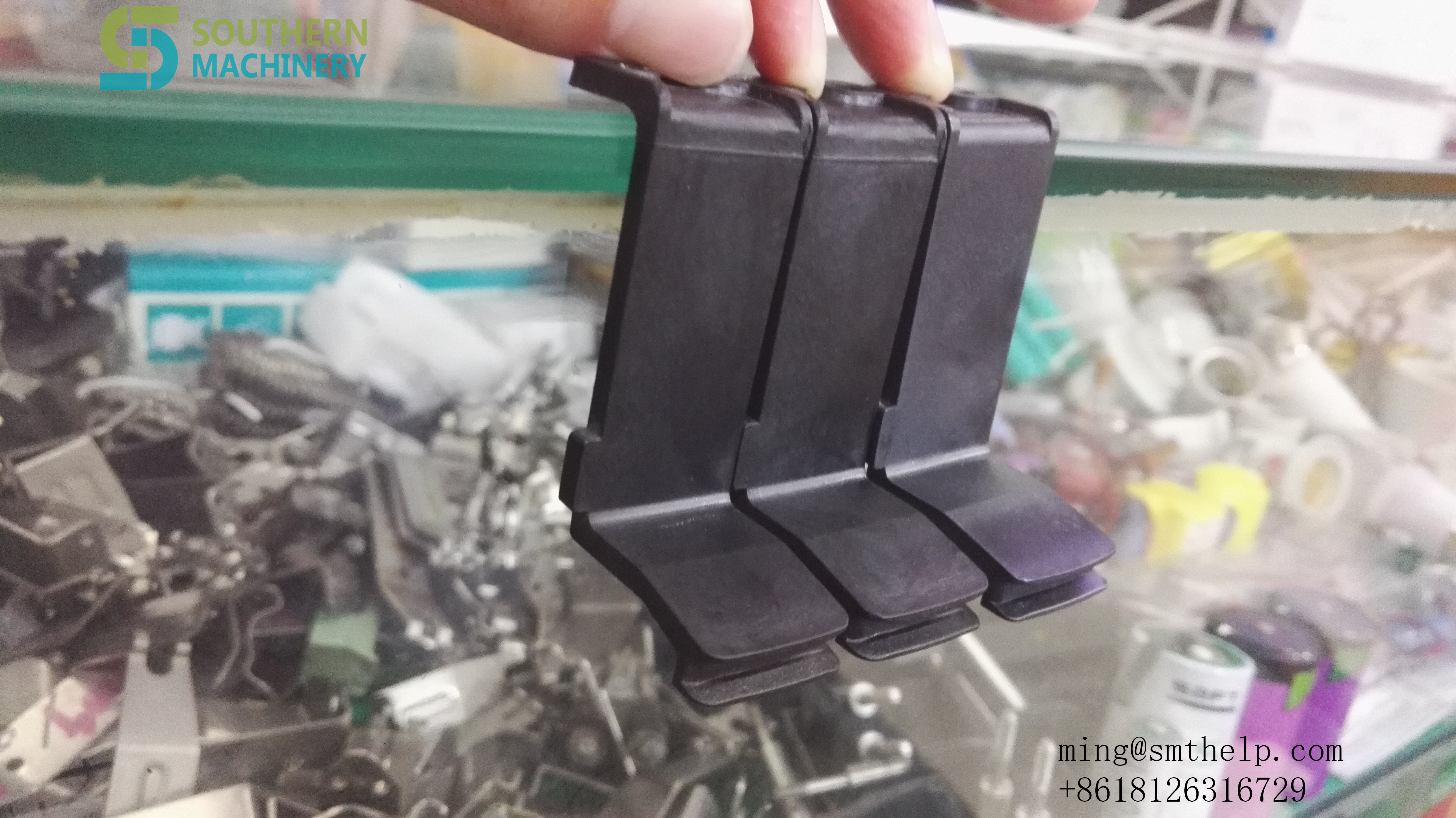
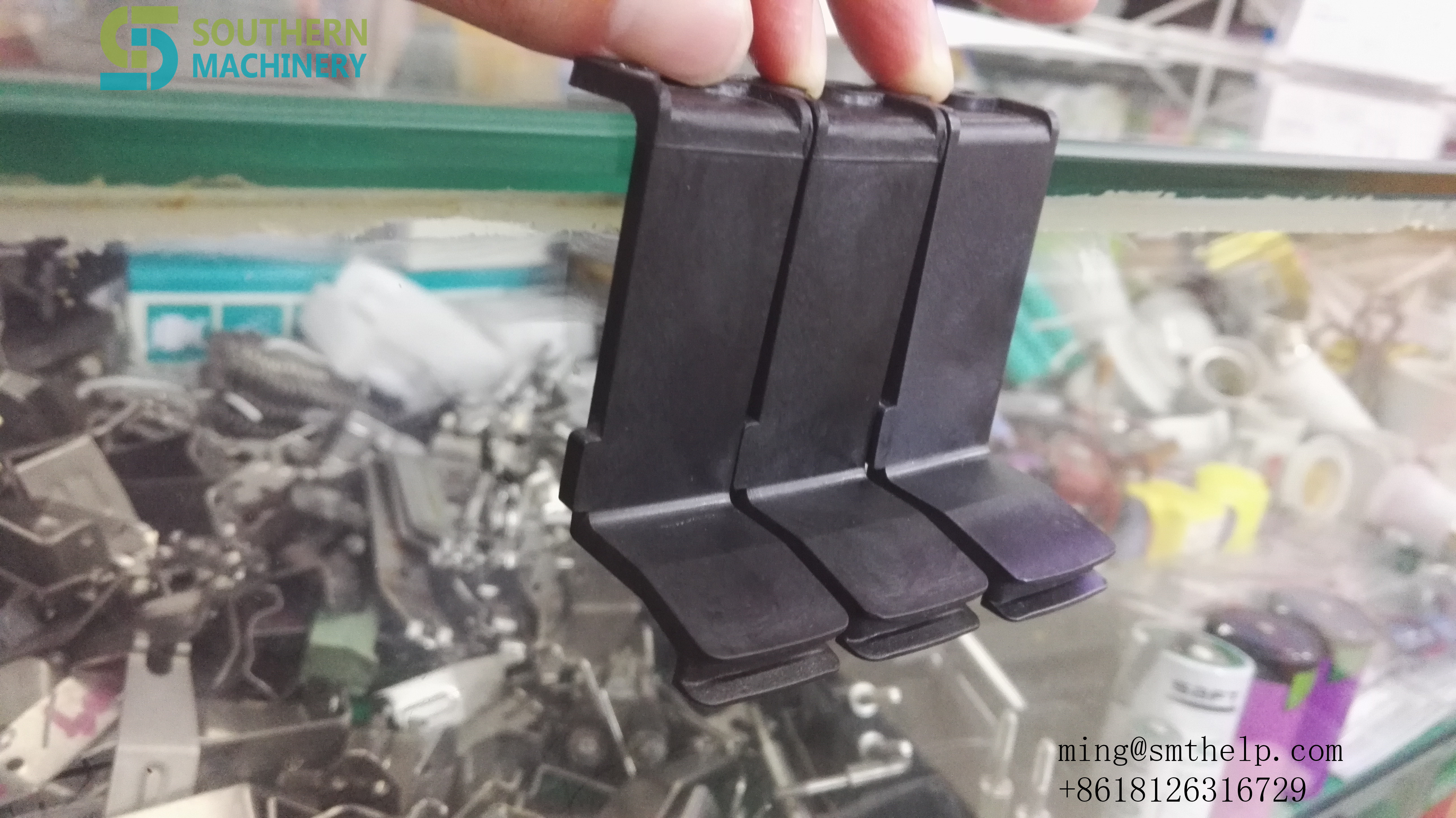
Wave soldering fingers. The profile has to match the machine's finger holder; get it wrong and a full batch will not clamp, which is the expensive way to learn the difference. Product page: smthelp.com/product/wave-soldering-finger-resin-claw
The fastest quotation is the one you send after you understand the part
An Indian EMS provider opened an account in Dec 2025 with a wave soldering consumables enquiry. The quotation for L-type fingers went out on 10 Jan 2026, three days after the spare parts enquiry arrived on 7 Jan 2026.
Three days is fast. It was only possible because the account manager had already completed a structured product study on 13 Dec 2025 — covering finger types, past sales cases, and how to approach the enquiry — before replying to the customer at all.
The buyer knows the machine, and you do not know the finger
Wave soldering fingers are a wear item, and the buying pattern is consistent: the buyer knows their machine well and does not know the finger geometry at all. They know the brand of the solder machine and the fact that the fingers are worn. They do not know whether they need an L-type, a V-type, a resin claw, or a titanium claw, or what the finger holder on their specific machine will accept.
That asymmetry is the whole risk in this category. Quote based on the machine name alone, and you will eventually ship a batch that does not clamp. Clamping failure is not a subtle defect — the entire batch is unusable, and the replacement arrives on the same lead time that just cost the customer a month.
Meanwhile, the same buyer is being asked to upgrade ESD provisions, which is a completely different kind of purchase. ESD flooring and air shower entry are not products; they are a standard the site has to maintain. Flooring and entry equipment have to be specified together, or the standard has a gap at the doorway.
Study, match, then quote
Four steps, and the first one is the one everybody skips.
1. Study the product before you reply. Know the finger types, the geometries that actually exist, and the past cases on record. For this account, the study was completed on 13 Dec 2025 — weeks before the first commercial reply.
2. Review past cases as evidence. Not generic claims — which machine models the profile was matched to before, and what happened.
3. Match the geometry to the machine, explicitly. Confirm the finger holder type and the profile before quoting. If the machine model is ambiguous, ask for a photograph of the existing finger in situ.
4. Size the batch to a maintenance cycle, not to a minimum order. Two hundred L-type fingers is a maintenance quantity. A minimum-order quantity is a supplier convenience, and the two are rarely the same number.
What came out of it
The product study was conducted on 13 Dec 2025, alongside the ESD flooring enquiry. The air shower entry enquiry followed on 15 Dec 2025. When the wave soldering spares enquiry arrived on 7 Jan 2026, the finger geometry was matched to the customer's machine and quoted on 10 Jan 2026.
Dispatch documentation was issued on 16 Mar 2026, and a PI for 200 L-type fingers followed on 18 Mar 2026 — sized to a maintenance cycle, not to a minimum order.
The ESD flooring and air shower requirements were scoped in parallel as a separate programme, because specifying them together is the only way the standard holds. Three requirement areas on an account that had been opened eleven weeks earlier.
Evidence: delivery record from our project system. Dates and quantities are real; no pricing and no customer identity.
The photograph habit
Before you order any wear part with a specific geometry, photograph the installed part next to a scale. It is the single cheapest way to make the next order correct, and it costs ninety seconds. Take the picture while the old part is still fitted, because that is the only moment the holder geometry is actually visible.
Next in this series: a French EMS provider, six study steps before the first quotation, and a purchase order that arrived twelve weeks later.
This article is part of Case Files: 20 Real SMT/THT Projects — twenty de-identified field projects from Southern Machinery. Each one carries the symptom the customer reported, the engineering decision we made, and the delivery record that followed. Customer names, prices, and contract values are removed; dates, team members, and machine classes are real.
Send the photograph
Photograph the wave soldering fingers on your machine — profile, holder, and a ruler in the frame.
If you are being asked to upgrade ESD provisions at the same time, send us both. They need to be specified together.
Note: This configuration is a draft and must be finalized and reviewed by our senior Sales Engineer (Jason Wu).
Action Required: Please provide your Gerber file or PCB drawings to info@smthelp.com for an accurate capacity simulation and nozzle engineering validation.
Comments
Comments appear after approval.