
The Fault You Cannot Name Is Still Diagnosable
A rotary table motor drive failed on an axial insertion machine in the British Isles. The customer could not identify the board. We diagnosed it from the symptom description, without a site visit, inside six years of sha
Aug 30, 2026 · Updated Aug 30, 2026 · Jason Wu
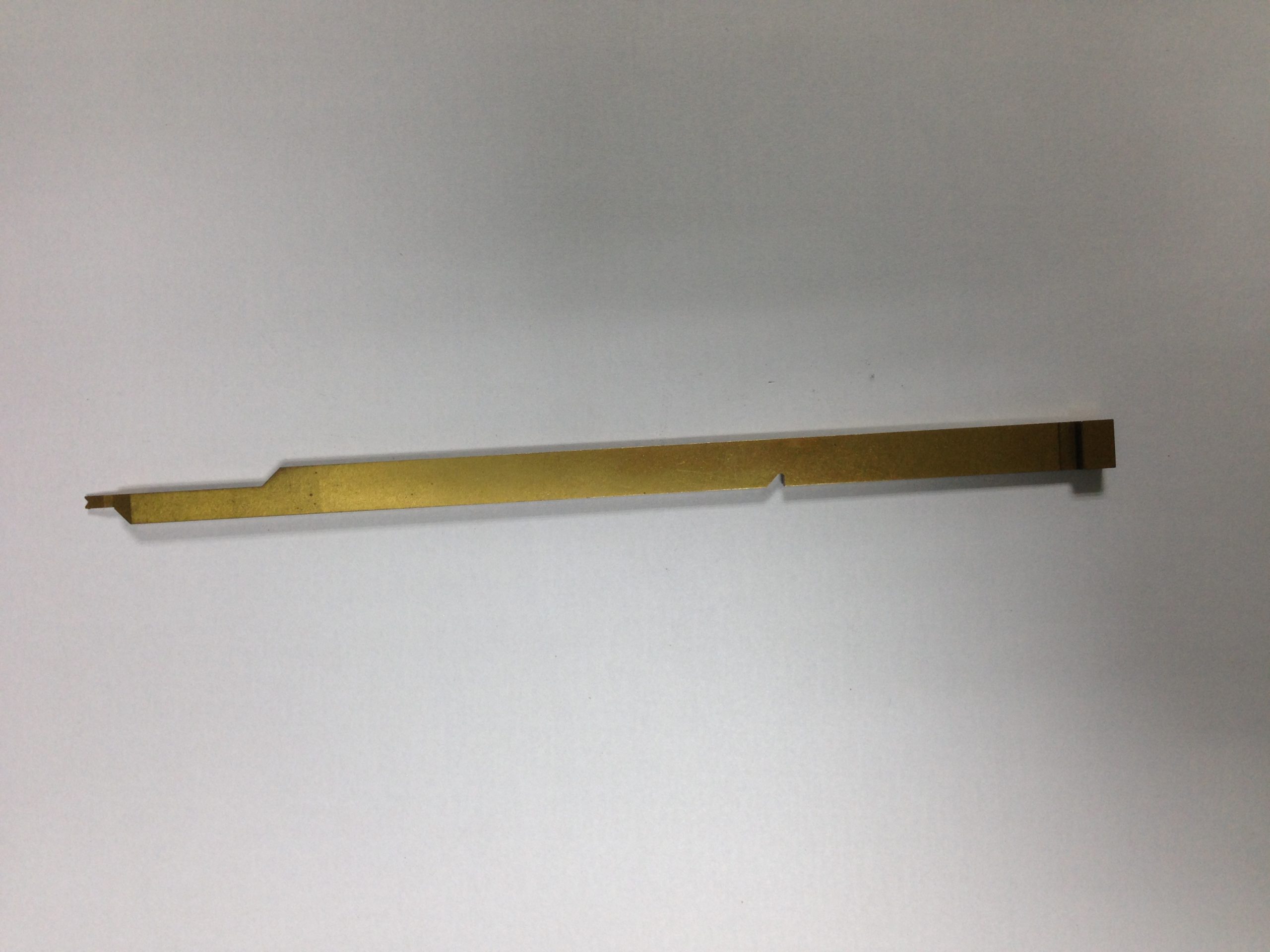
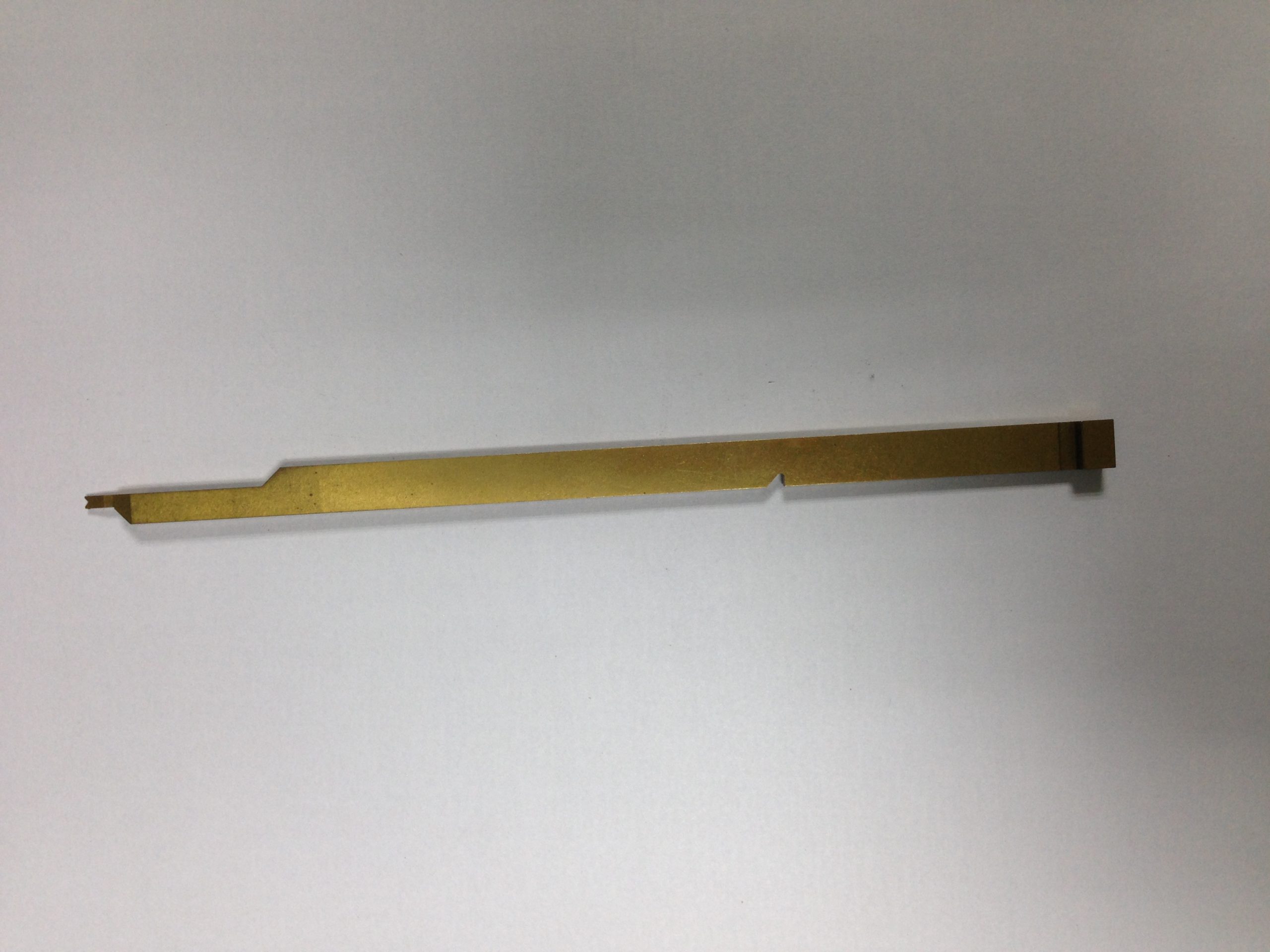
A former assembly for an auto axial insertion machine. Wear parts like this follow a predictable cycle; the electronics do not, which is why fault-finding has to start from the symptom. Product page: smthelp.com/product/auto-axial-insertion-machine-spare-part
The machine does not care whether you know the part number
In December 2025, an electronics manufacturer in the British Isles reported a rotary table motor drive fault on an axial insertion machine—on top of an open spares order. They could not identify the failed board. They had no part number, no error code sheet, and a machine that was not going to run until somebody worked it out.
We diagnosed it from the symptom description alone. No site visit, no flight, no waiting for a board to be shipped speculatively and found wrong.
You are maintaining two failure curves with one process
Every aging insertion line runs two failure curves at the same time, and most maintenance teams plan for only one.
The mechanical curve is friendly. Distribution heads, forming frames, springs, anvils, and cutters wear on a predictable cycle. You can schedule them, stock them, and quote them against a part number. This customer does exactly that, and sends part-numbered enquiries directly.
The electronic curve is not friendly at all. Control boards and drives fail without warning, and when they do you usually cannot name the part—because the part name is on the board that just died, and the machine will not boot far enough to tell you.
The hidden cost is not the board. It is that your entire spares process is built around part numbers, so the moment you do not have one, the process stops. Two orders went out six weeks apart in late 2025 with no friction at all. The drive fault had no part number, and that single missing field was enough to take the machine down.
Symptom-first fault finding
When the part number is unavailable, work the other direction. Four steps, in order.
1. Describe the failure in operational terms, not component terms. Not "the drive is dead" but what the machine was doing when it stopped: which axis, which phase of the cycle, whether it happened under load or at idle, whether it is intermittent or hard. Intermittent under load points somewhere completely different from hard failure at power-on.
2. Separate the mechanism from the electronics. If the mechanics move freely by hand and the fault persists, you are looking at the drive or the control path, not the gearbox.
3. Bring the history to bear. Machine range, build vintage, which boards have already been swapped. On an account with years of records this step alone eliminates most candidates.
4. Only then name the part. Confirm the identification before anything ships. A wrong board crossing a border costs more in downtime than the part.
What this account actually looks like
This is one of the longer relationships in our book—first recorded in December 2019 and still active in 2026. The customer runs radial insertion equipment of that class alongside horizontal axial machines, and their engineering team knows what it needs, which makes the job about sourcing accuracy and speed rather than selling.
Two spare-part orders were processed within six weeks of each other in late 2025, both quoted against the customer's own part numbers. The rotary table motor drive fault reported on 8 December 2025 was diagnosed from the symptom description without a site visit. A long-term cooperation plan covering the spares range was drafted on 27 December 2025.
Four of our people have touched this account—Sara Zhang and Jason Wu on the commercial side, Kevin Yang on the parts, and Jack Chan's project carrying the axial spares thread. That matters more than it sounds: cover does not depend on one inbox, and the account history survives staff changes on both sides.
Evidence: delivery record from our project system. Dates are real, part numbers are not published, and no production measurements are claimed.
The one field to add to your fault log
Add a "symptoms only" row to your maintenance log for every fault where you could not name the part. Within a year that list tells you which boards to stock and which ones you are guessing at.
Next in this series: a Brazilian terminal feeder programme where compatibility was checked before any price was discussed.
This article is part of Case Files: 20 Real SMT/THT Projects—twenty de-identified field projects from Southern Machinery. Each one carries the symptom the customer reported, the engineering decision we made, and the delivery record that followed. Customer names, prices and contract values are removed; dates, team members and machine classes are real.
One change to make
Pull your last three unexplained machine stops and write down, in operational terms, what the machine was doing when it failed.
If you have a fault you cannot name, send us the symptom and the machine range. That is enough to start.
Note: This configuration is a draft and must be finalized and reviewed by our senior Sales Engineer (Jason Wu).
Action Required: Please provide your Gerber file or PCB drawings to info@smthelp.com for an accurate capacity simulation and nozzle engineering validation.
Comments
Comments appear after approval.