
The Order Was Stuck Until We Put Both Sides in One Meeting
Three spare-part batches for a Turkish instrument manufacturer. The 2026 batch was heading nowhere until a joint supplier and customer meeting turned the enquiry into an order in eleven days.
Aug 30, 2026 · Updated Aug 30, 2026 · Jason Wu
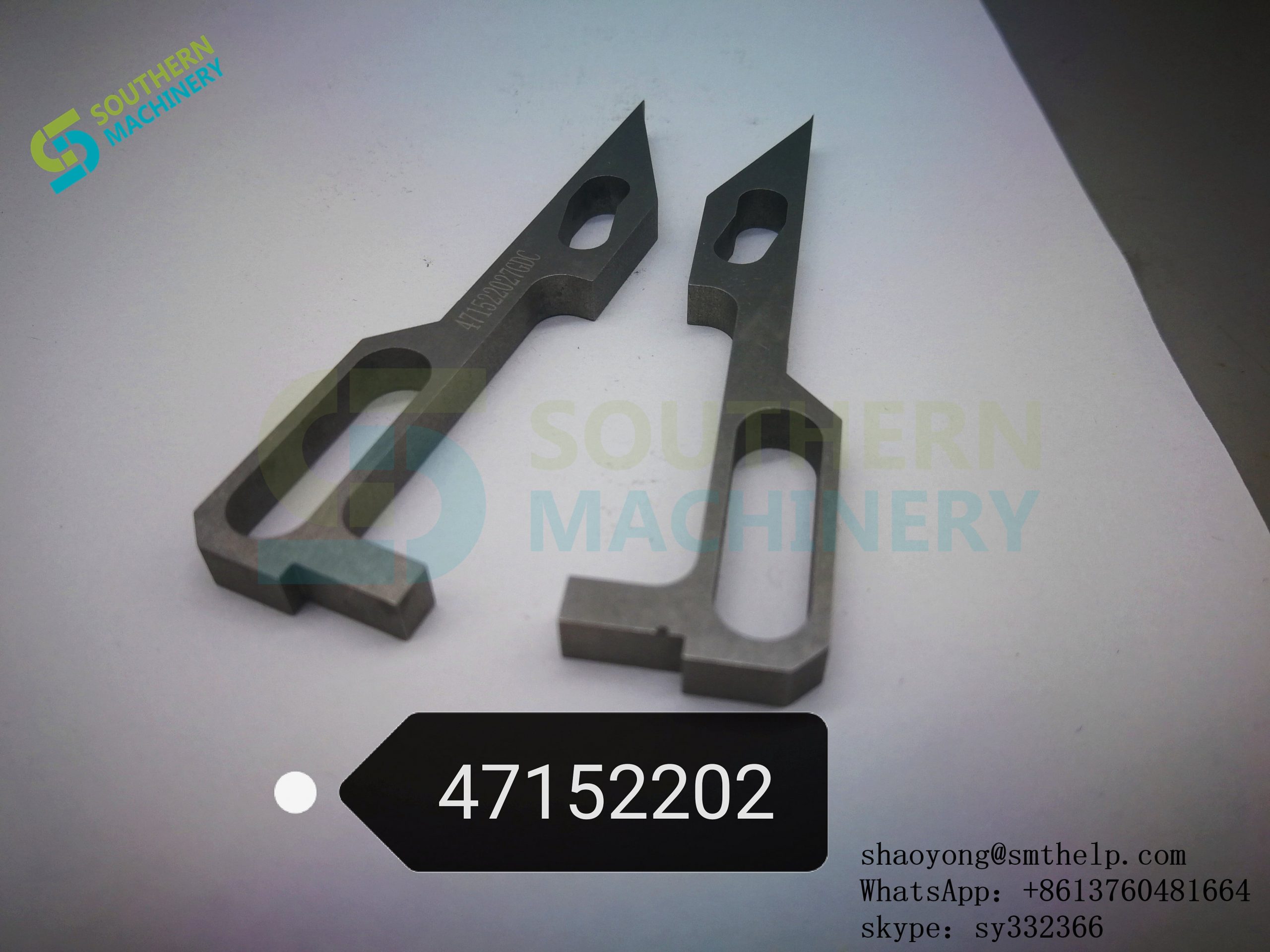
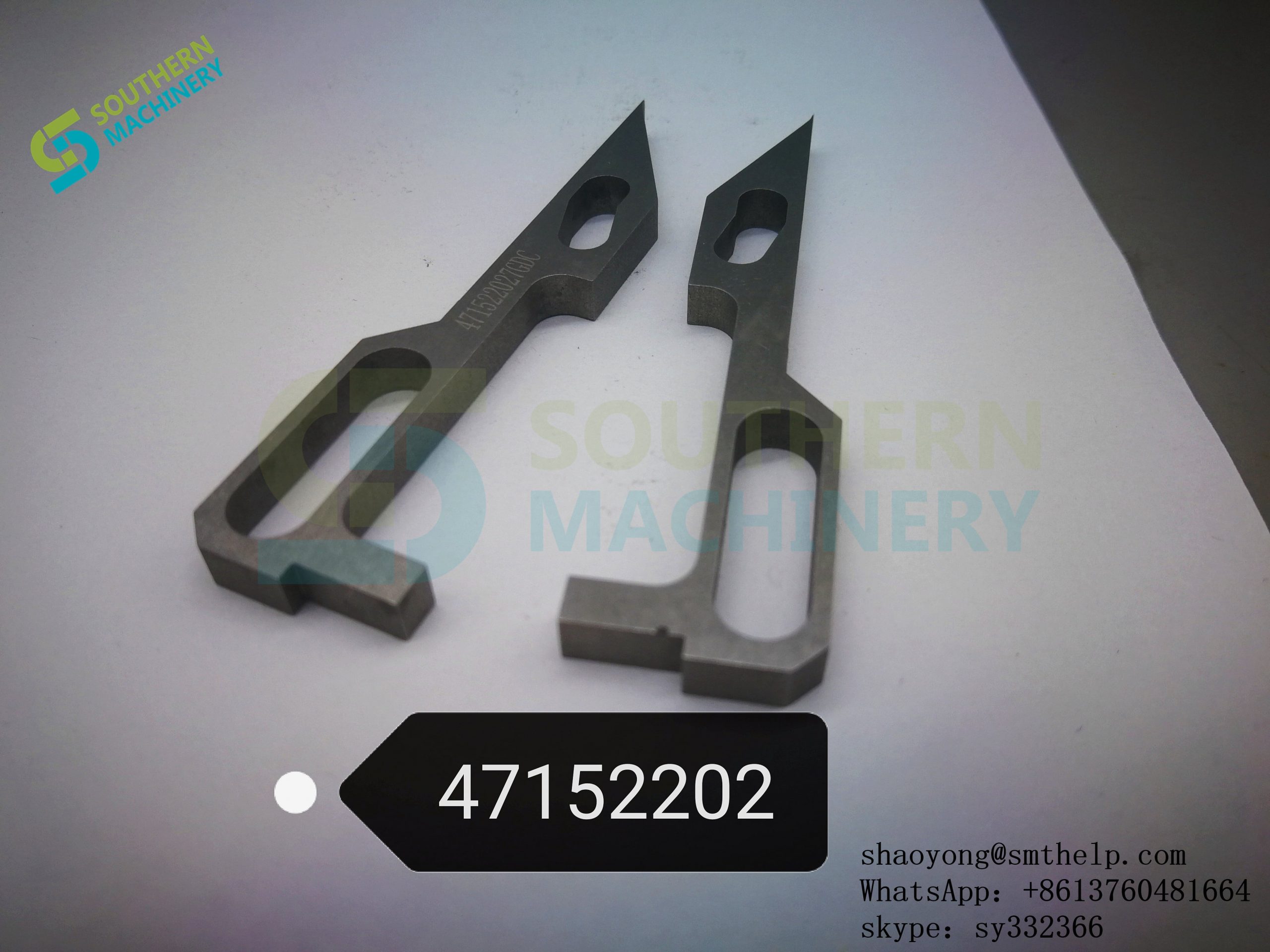
An insertion machine finger of the class supplied in repeat batches. Breadth of coverage across machine types is what turns single orders into a rhythm. Product page: smthelp.com/product/china-made-wave-soldering-finger-for-pcba
Spare-part orders do not stall on price, they stall on nobody being in the same room
A Turkish manufacturer of electronic measuring instruments buys spares in recurring batches across through-hole insertion, wave soldering and placement machines. Two batches completed in 2025, the second ordered before the first had finished shipping.
The 2026 batch was different. It opened on 8 Apr 2026, produced a quotation, and sat there. Then Leon Hong convened a joint meeting with the supplier and the customer on 20 Apr 2026. The order was placed on 21 Apr 2026 - one day later, and eleven days after the enquiry.
The stall has a shape, and it is always the same
Spare-part buying fails in a specific way that has nothing to do with money. The enquiry comes in. A quote goes out. The quote is not wrong. And then nothing happens, because three small unknowns are sitting in the middle of it and each one is individually too small to chase.
Is that part actually in stock, or is it a lead time? Does the customer want the exact replacement or the equivalent? Is the certificate of origin going to be needed for this shipment? Nobody owns any of those questions. The buyer assumes the supplier answered them. The supplier assumed the buyer had already decided.
Each unknown is a five-minute conversation. Collectively they are a four-week delay, because the only mechanism available for resolving them is another email round, and email rounds have a half-life.
The joint meeting rule
When a repeat order stalls, stop sending documents and convene.
1. Detect the stall early. If a repeat category takes longer than the previous cycle did, it is stuck. Do not wait for the buyer to say so - they will not.
2. Get both parties into one session. Supplier and customer, same call, same hour. Not a conference call with a supplier on one side and a summary afterwards. The point is that questions get answered while the other party is listening.
3. Work the stock list line by line. What is genuinely in stock, what is a lead time, what has a substitute. This is the conversation that cannot happen over email, because the answer changes during the call.
4. Leave with dated commitments. Not "we will come back to you". A date for the PI, a date for the shipment documentation.
One more thing that matters on repeat business: keep the order open to additions. On 13 May 2026 a pneumatic spray part was added to this order on the day the shipping documentation was issued. A process rigid enough to refuse that is a process that creates a second order and a second freight charge.
The rhythm on this account
The first batches ran the standard cycle - background research, payment PI, stocking, certificate of origin, shipment - and two completed in 2025. The 2026 batch ran from enquiry on 8 Apr 2026 to shipment documentation on 13 May 2026, thirty-five days, with the joint meeting on 20 Apr 2026 doing the work that the previous four weeks of email had not.
The range has widened from insertion machine spares into wave soldering parts and placement machine feeders, which is what repeat spares relationships look like when they are working: the buyer stops asking whether you can source a category and starts assuming you can.
Certificate of origin and shipping photographs are provided as standard on this account. That is a small thing that removes an entire category of follow-up email.
Evidence: delivery record from our project system. Dates are real; no pricing and no customer identity.
The stall detector
Compare the elapsed days on your last three orders in the same category. If the third is materially slower than the first two, it is not a market condition. Convene.
Next in this series: brass splice clips to Ecuador in six days, and why small orders need a shorter administrative cycle, not a cheaper part.
This article is part of Case Files: 20 Real SMT/THT Projects - twenty de-identified field projects from Southern Machinery. Each one carries the symptom the customer reported, the engineering decision we made, and the delivery record that followed. Customer names, prices and contract values are removed; dates, team members and machine classes are real.
Book the meeting
Find one order that has been open longer than the last one in the same category. Ask for a joint call with the supplier this week.
If you buy spares across several machine types, send us the list. Breadth is where the consolidation saving is.
Note: This configuration is a draft and must be finalized and reviewed by our senior Sales Engineer (Jason Wu).
Action Required: Please provide your Gerber file or PCB drawings to info@smthelp.com for an accurate capacity simulation and nozzle engineering validation.
Comments
Comments appear after approval.