
Two Clocks Decide Whether a Spare Part Matters
Twelve heater cores for a BGA rework station, from enquiry to shipment in eighteen days. The part was cheap. The bench it was sitting on was not. Here is how to tell which clock you are actually paying for.
Aug 30, 2026 · Updated Aug 30, 2026 · Jason Wu
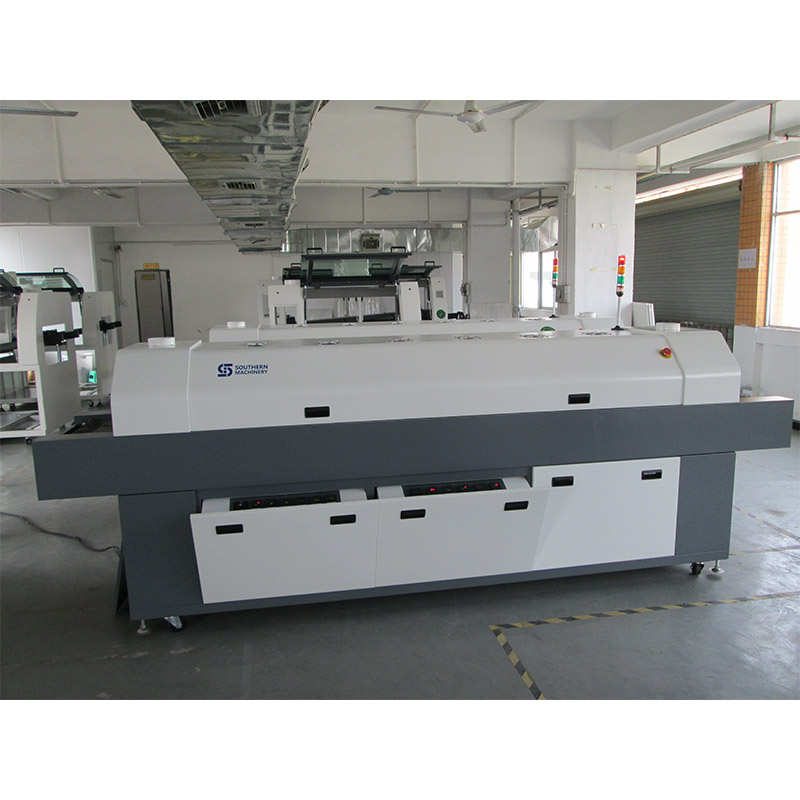
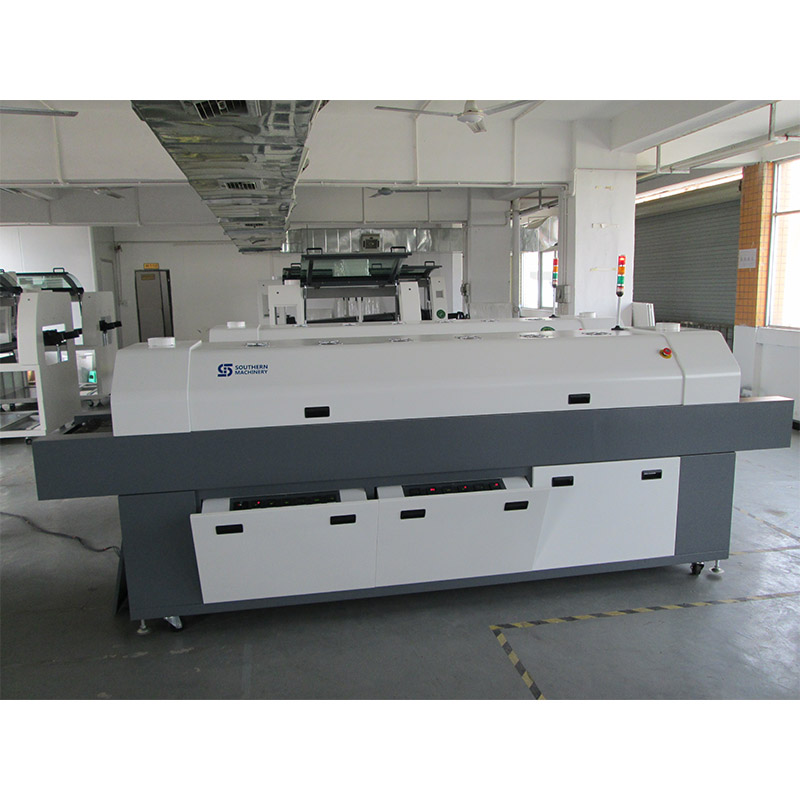
Thermal process equipment of the class served here. The specific rework station in this case was not photographed, so this image shows the equipment class rather than the exact unit — heater assemblies inside machines like this are what keep a bench running. Product page: smthelp.com/product/s-6600-lead-free-reflow-oven
The part cost less than the downtime it prevented, and that is the entire business case
On 10 January 2026, an electronics service provider in the United States asked for replacement heater cores for a BGA rework station. They specified the part by heater code. Twelve units.
A rework station without a heater core is a bench out of action. The customer's exposure was never the part — it was every hour the bench sat idle. That distinction decides how the order should be handled, and most procurement processes get it backwards.
You are running a capital spares process on a consumable part
Heater assemblies get classified as machine-specific spare parts, which means they inherit the capital spares workflow: request for quotation, approval, supplier confirmation, consolidated shipment, then a wait. Three to four weeks from the original equipment maker is the normal answer, and it is a perfectly reasonable answer if you are buying a capital spare.
It is the wrong answer for a service part. The part is cheap relative to the bench. It fails without warning. And the person who needs it cannot authorise a capital purchase, so the request climbs a ladder designed for much larger sums.
Two clocks are running, and procurement sees only one. The lead-time clock is what the supplier quotes. The downtime clock is what the business pays. When nobody writes the downtime number down, the cheaper-looking quote wins, and the organisation pays the difference somewhere it does not have a budget line.
Match the process to the clock
Four steps. The first one is the whole method.
1. Classify by consequence, not by price. Ask what stops when this part is missing. If the answer is a bench, a station or a line, it is service-critical and it needs the fast-turn path regardless of unit cost.
2. Match the part code before you negotiate terms. Identification is the long pole on spare parts. Match it against an existing supply channel on day one, in parallel with the commercial paperwork, rather than sequentially.
3. Run the paperwork in step with the goods, not after them. A shipment waiting on a commercial invoice is a shipment that did not ship. Produce the PI and the commercial invoice while the goods are moving.
4. Book the forwarder the day the goods arrive. Not the next morning. Same day.
Eighteen days, and where the eight went
An existing customer with prior order history, so no onboarding was needed. The part code was matched against our supplier on 21 January 2026 — the same day payment was received. Goods came in from the supplier on 28 January 2026 and the forwarder was booked the same day, with the commercial invoice issued and the shipment dispatched.
Enquiry on 10 January 2026 to shipment on 28 January 2026: eighteen days. Payment on 21 January 2026 to dispatch on 28 January 2026: eight days. Twelve heater cores, quoted on 16 January 2026, purchase order confirmed and PI issued on 20 January 2026.
None of those eight days were spent waiting for a machine or a mould. They were spent on identification, payment clearance and freight booking — three administrative steps that most suppliers run in sequence and we ran in parallel.
To be exact about the record: these are delivery records from our project system. Dates and quantities are real. There is no pricing here, no customer identity, and no supplier terms.
The classification exercise
Take your twenty most-ordered spare parts and tag each one "line stops" or "line runs". The ones tagged "line stops" that are currently going through your capital approval path are your exposure, and it is visible in a single afternoon.
Next in this series: a Turkish instrument manufacturer whose 2026 spares batch was going nowhere until the supplier and the customer were put in the same meeting.
This article is part of Case Files: 20 Real SMT/THT Projects — twenty de-identified field projects from Southern Machinery. Each one carries the symptom the customer reported, the engineering decision we made, and the delivery record that followed. Customer names, prices and contract values are removed; dates, team members and machine classes are real.
Re-sort the list
Pick the one spare part that would stop your line tomorrow. Check which approval path it currently goes through.
If the path is longer than the downtime you would accept, send us the part code. Identification is the first thing we do.
Note: This configuration is a draft and must be finalized and reviewed by our senior Sales Engineer (Jason Wu).
Action Required: Please provide your Gerber file or PCB drawings to info@smthelp.com for an accurate capacity simulation and nozzle engineering validation.
Comments
Comments appear after approval.