
A Distributor Does Not Buy Machines, They Buy Resale Readiness
Seven product lines moved through one Mexican distributor in nine months. The orders were the easy part. What converted them was drawings, manuals, localised collateral and two weeks of hands-on training in China.
Aug 30, 2026 · Updated Aug 30, 2026 · Jason Wu
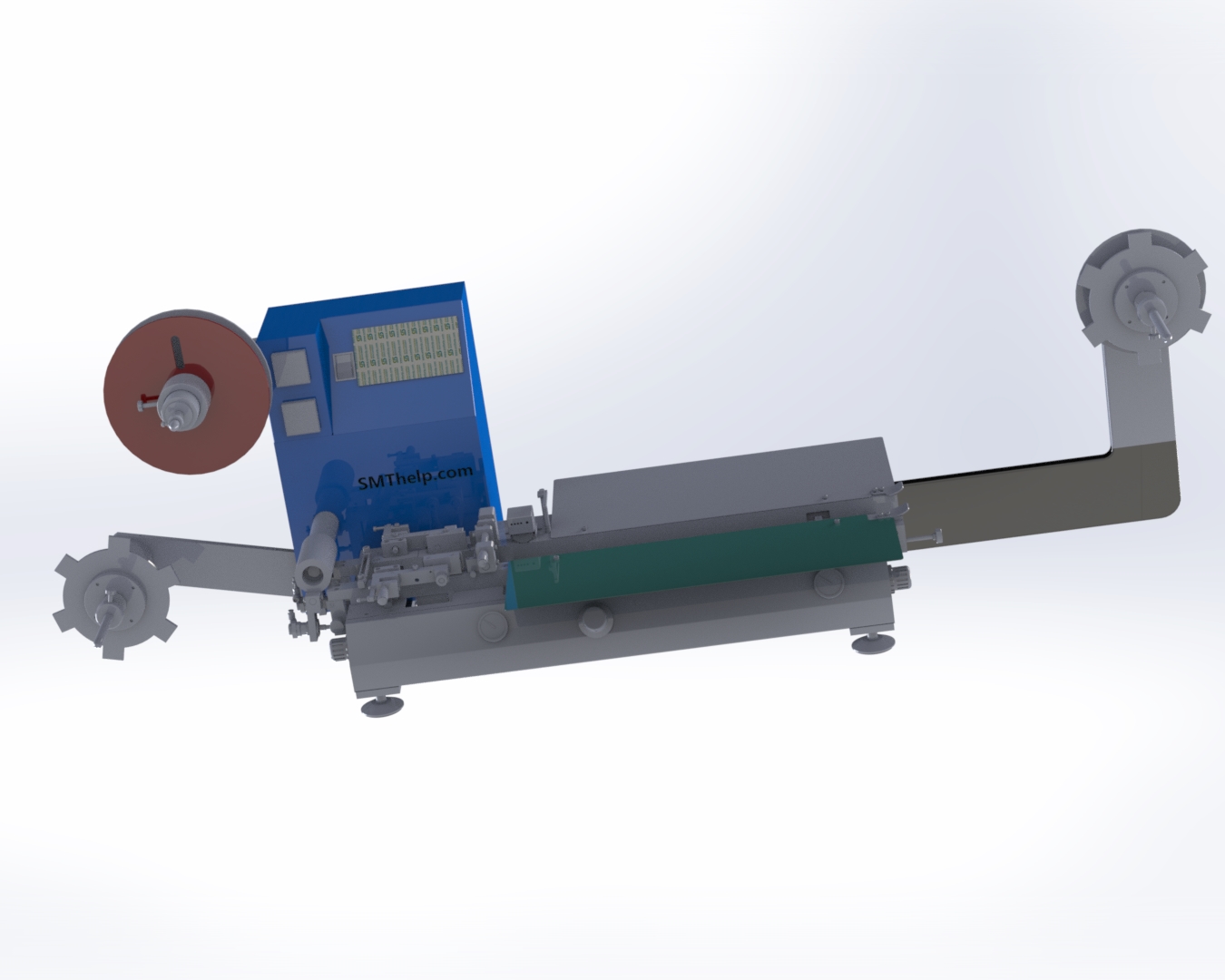
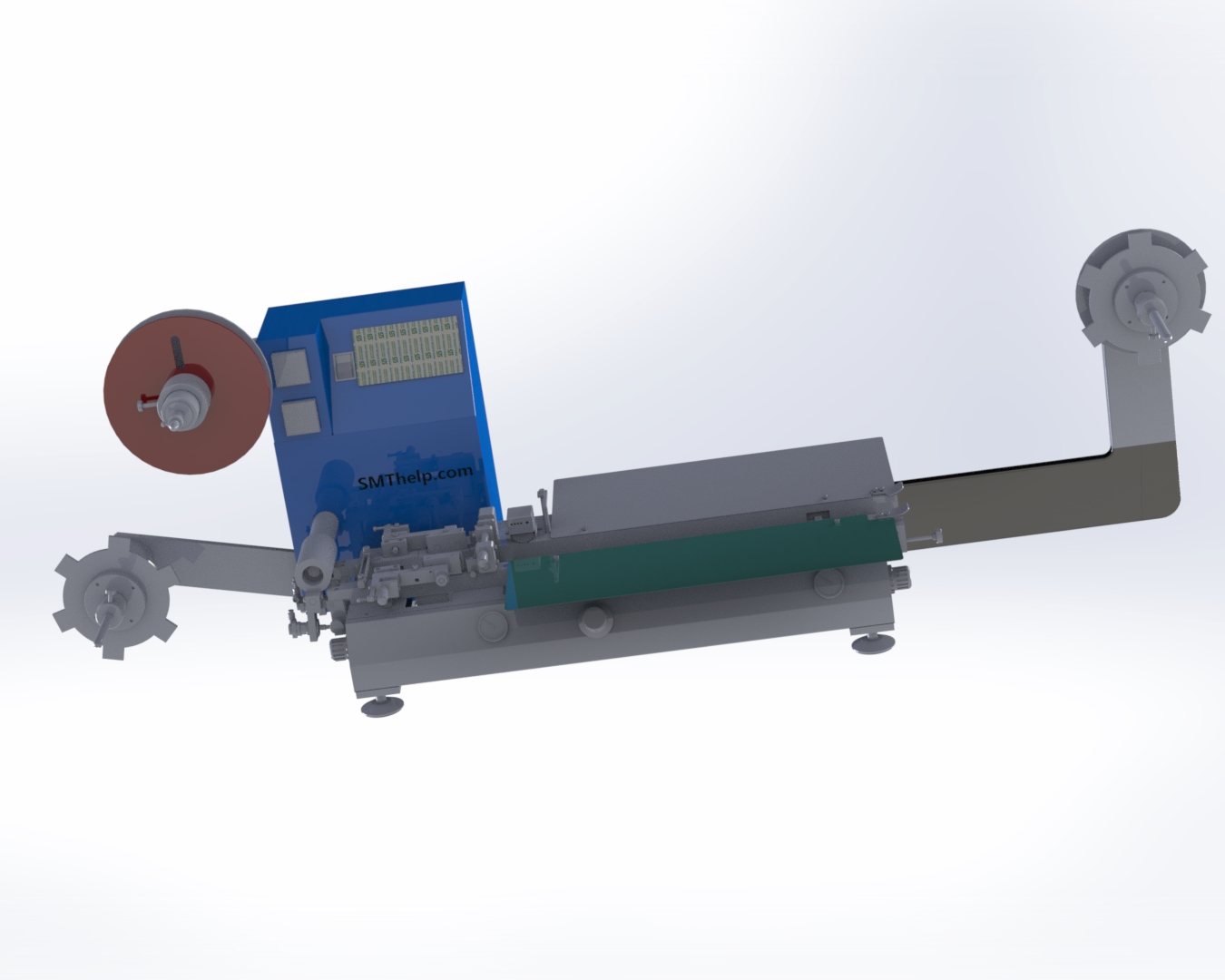
A semi-automatic SMD reel taping machine. Machines like this one are the easy half of a distributor programme; the collateral around it is the half that decides whether it sells. Product page: smthelp.com/sjl80a-semi-auto-smd-reel-taping-machine-with-touch-screen.html
Seven product lines in nine months, and not one of them started with a quotation
A distributor in the north of Mexico opened a relationship with us in Aug 2025. By May 2026 seven unrelated product lines had moved through it: an SMD component counter, a forming and taping machine for vertical parts, pallet and fixture cleaners, a UV curing oven, terminal insertion machine spares, wire strippers and a terminal crimping machine.
If you sell to distributors, read that list again. Those seven categories share no part numbers, no consumables and no service procedure. What they shared was a buyer who needed the same four things every single time.
You are not selling to the person who will use the machine
This is the part most manufacturers get wrong about distribution. Your customer is not the operator. Your customer is a sales engineer who has to stand in front of their customer and answer questions they have not been trained to answer yet.
So the real requirement is not the machine. It is: can I put my name on this and survive the first service call? Break that down and you get four assets - 3D drawings for the proposal, samples for the demo, a manual that matches the unit shipped, and collateral in the buyer's language. Put those in place and the machine sells itself. Leave one out and the distributor quietly stops quoting you, and you will never get the phone call explaining why.
There is a second failure mode hiding behind the first. When an installed machine throws a fault, the distributor cannot diagnose it alone, and the line stop lands on their reputation, not yours.
The resale-readiness checklist
Before you quote a distributor, check all four boxes. If you cannot, say so up front.
1. Technical package. 3D drawings, physical or photographed samples, catalogue, manual. Per machine, not per family.
2. Localised collateral. Spanish for Mexico, not English with a translated cover page. The buyer's customer reads it, not the buyer.
3. First-line support transfer. Hands-on training on the actual machines with the actual supplier in the room, so the distributor's own engineers can carry the first call. This is the item that decides whether the second order ever happens, and it is the one most often skipped.
4. Remote fault path. A named channel that gets a symptom diagnosed and spares dispatched without waiting for a flight.
How the programme ran
We built the programme around those four things rather than around individual orders. Technical packages were assembled per machine. The distributor's engineers spent 8-21 Mar 2026 in China for a two-week training block that included a supplier visit - first-line support now sits in Mexico instead of in our inbox.
The forming and taping machine shows the cycle in miniature: enquiry and 3D drawing on 13 Mar 2026, sample stage, purchase order on 20 Apr 2026, shipment on 6 May 2026. Fifty-four days from first enquiry to shipment, with a sample in the middle.
The fault path was tested on 16 Mar 2026. A terminal insertion machine at one of their end customers was throwing an intermittent X-axis limit error. We diagnosed it remotely from the symptom description and spares were picked, packed and dispatched from stock. No site visit, no flight, no waiting for a visa.
Every number above is a delivery record from our project system. There are no production measurements here, because we supplied equipment into a distribution channel, not into a measured line of our own.
The question to ask your own suppliers
Ask them what happens when the machine fails in month four. If the answer involves a return shipment, you do not have a support path - you have a warranty.
Next in this series: a manufacturer-to-manufacturer relationship where the customer's engineering organisation refused to accept a part number as an answer.
This article is part of Case Files: 20 Real SMT/THT Projects - twenty de-identified field projects from Southern Machinery. Each one carries the symptom the customer reported, the engineering decision we made, and the delivery record that followed. Customer names, prices and contract values are removed; dates, team members and machine classes are real.
What to do with this
If you are a distributor reading this, ask your current suppliers for the four assets on the checklist and count how many arrive within a week.
If you are a manufacturer, send us the category you cannot currently get collateral for.
Note: This configuration is a draft and must be finalized and reviewed by our senior Sales Engineer (Jason Wu).
Action Required: Please provide your Gerber file or PCB drawings to info@smthelp.com for an accurate capacity simulation and nozzle engineering validation.
Comments
Comments appear after approval.