
S7900 Odd Form Insertion Solution: Flexible Feeders, AI Vision & Clinching
An odd-form insertion solution with flexible feeders, AI vision alignment and optional clinching that removes the last manual through-hole step before soldering.
Aug 11, 2026 · Updated Aug 31, 2026 · Jason Wu
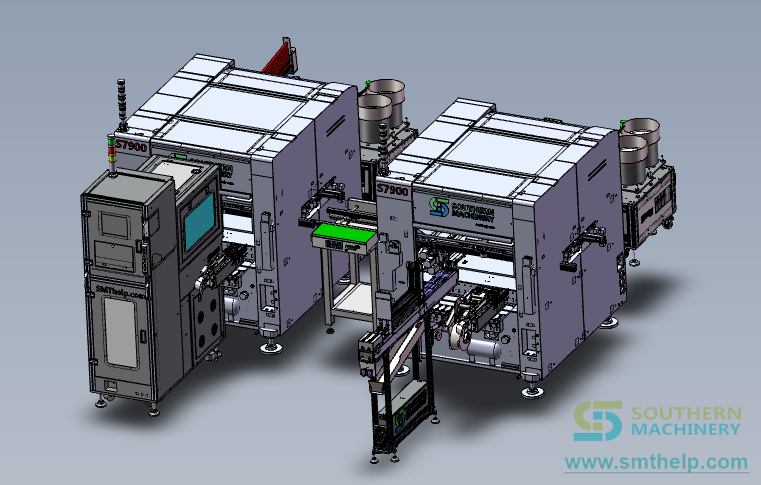
S7900 Odd Form Insertion Solution: Flexible Feeders, AI Vision & Clinching
Odd-form through-hole parts are usually the last manual step on a THT line — transformers, relays, and connectors that no axial or radial machine will touch. That hand insertion is slow, inconsistent, and it sits right before soldering, where a misaligned lead quickly becomes a defect. The S7900 Odd Form Insertion Solution is designed to take that step off the bench with flexible feeders, AI vision, and optional clinching.
The cost you haven't named: manual odd-form insertion
Most lines automate axial and radial insertion first, then leave the awkward parts to a person — and that is where throughput silently caps.
- Slow final step. Hand-placing transformers and connectors before soldering limits the line's real throughput.
- Inconsistent alignment. Operator-to-operator placement varies, causing misalignment and lead damage.
- Feeder inflexibility. Odd shapes need tape, tube, tray, and bowl presentations that manual benches can't switch between quickly.
- No vision verification. Without alignment checks, a skewed part reaches solder and becomes rework.
The Four-Stage Odd-Form Automation Audit
Before specifying the machine, frame odd-form insertion as an automation audit rather than a purchase. Call it the Four-Stage Odd-Form Automation Audit.
1. Map the odd-form parts. List every non-standard connector, transformer, and relay with its feeder type — tape, tube, tray, or bowl. The goal is to see exactly what the machine must present and seat.
2. Score the manual bottleneck. Estimate the hours spent hand-inserting odd-form parts before soldering each day. This sets the throughput the line recovers by automating the step.
3. Quantify the placement risk. Tally misalignment and lead damage from manual handling. High-mix, fine-pitch odd-form parts are where vision guidance pays back first.
4. Set the vision-guided target. Define the accuracy, feeder flexibility, and clinch requirements. That statement becomes your acceptance test at delivery.
The vehicle: S7900 Odd Form Insertion Solution
The framework above maps directly onto how the S7900 is deployed on a real THT line.
- Map the odd-form parts → flexible feeders. The S7900 presents components from tape, tube, tray, and bowl feeders at a repeatable pick position, covering the connector, transformer, and relay shapes that standard axial or radial machines cannot handle.
- Score the manual bottleneck → AI vision placement. An AI-powered vision system aligns each part to the PCB, removing the operator-to-operator variation that caps manual throughput and drives rework.
- Quantify the placement risk → high-accuracy seating. The machine is positioned for placement accuracy of ±0.06 mm at speeds up to 4,700 CPH (example figures, subject to final technical confirmation), reducing misalignment versus hand placement.
- Set the vision-guided target → optional clinching and integration. Optional lead clinching secures parts in one pass, and the S7900 sits inline with axial and radial inserters ahead of wave soldering.
Specification note: placement accuracy, CPH, feeder count, and clinch options should be confirmed at quotation, because they depend on your odd-form mix and board layout rather than a single factory-wide default.
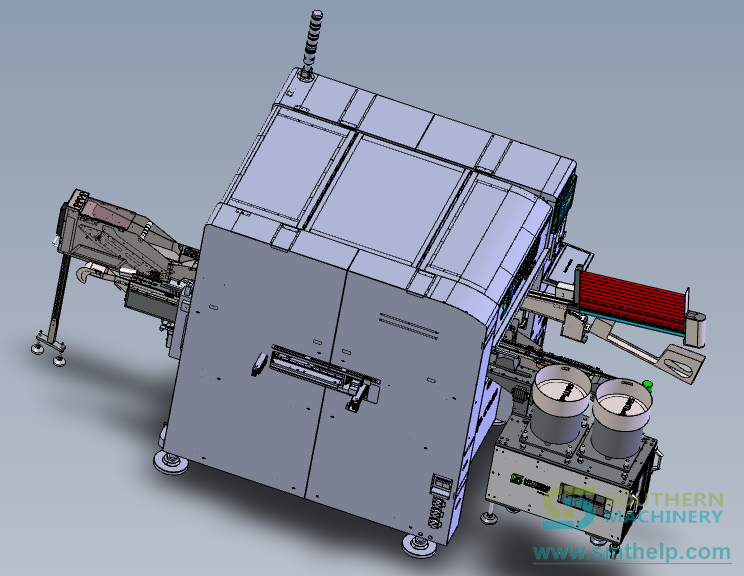
The loop: re-audit the odd-form mix every quarter
Odd-form parts change with every new product, and a machine tuned for last quarter's mix quietly loses fit. Build a loop: every quarter, repeat the Four-Stage Odd-Form Automation Audit, compare the part-mix and placement-risk scores against the previous quarter, and review accuracy and rework logs with your line leads. If a new connector or transformer family arrives, re-map its feeder before ramping. Treat the audit as a living document, not a one-time project — the loop is what keeps the S7900 earning its place instead of becoming a half-used asset.

Your next step
Send us your odd-form BOM and the parts causing the manual bottleneck. We will return a line review outlining where the S7900 Odd Form Insertion Solution fits, what feeders and accuracy to specify, and what to confirm at quotation. Reach Jason at jasonwu@smthelp.com or on WhatsApp +86 13602562576.
FAQ
What feeders does the S7900 support?
It handles tape, tube, tray, and bowl feeders, covering the irregular connectors, transformers, and relays that standard inserters cannot present.
How accurate is placement?
It is positioned for ±0.06 mm accuracy at up to 4,700 CPH — example figures from the product page, subject to final technical confirmation.
Does it verify alignment?
Yes. An AI-powered vision system aligns each part to the PCB, reducing the misalignment and lead damage common in manual insertion.
Can it clinch leads?
Optional lead clinching secures parts in one pass, and the machine sits inline with axial and radial inserters ahead of wave soldering.
Are the exact specs fixed?
Accuracy, CPH, feeder count, and clinch options depend on your odd-form mix and board layout, so they are confirmed at quotation.
Specifications
| Parameter | Value |
| --- | --- |
| Model | S7900 Odd Form Insertion Solution |
| Placement accuracy | ±0.06 mm (subject to confirmation) |
| Speed | Up to 4,700 CPH (subject to confirmation) |
| Feeders | Tape, tube, tray, bowl |
| Vision | AI-powered alignment |
| Clinching | Optional lead clinch |
| Heads | Multi-head configuration |
| Integration | Inline with axial and radial inserters |
Jason Wu
Founder & CEO, Southern Machinery (Shenzhen Southern Machinery Sales and Service Co., Ltd.)
Email: jasonwu@smthelp.com / info@smthelp.com
WhatsApp: +86 13602562576
Catalog & manuals: file.autoinsertion.com | Machine photos: ph.smthelp.com
LinkedIn: linkedin.com/in/smtsupplier | YouTube: youtube.com/c/Smthelping
Comments
Comments appear after approval.