
Wave Soldering Pressure-Plate Fixture
A custom wave soldering pressure-plate carrier in high-hardness synthetic stone that holds the board flat and stable through the solder wave.
Aug 15, 2026 · Updated Aug 31, 2026 · Jason Wu
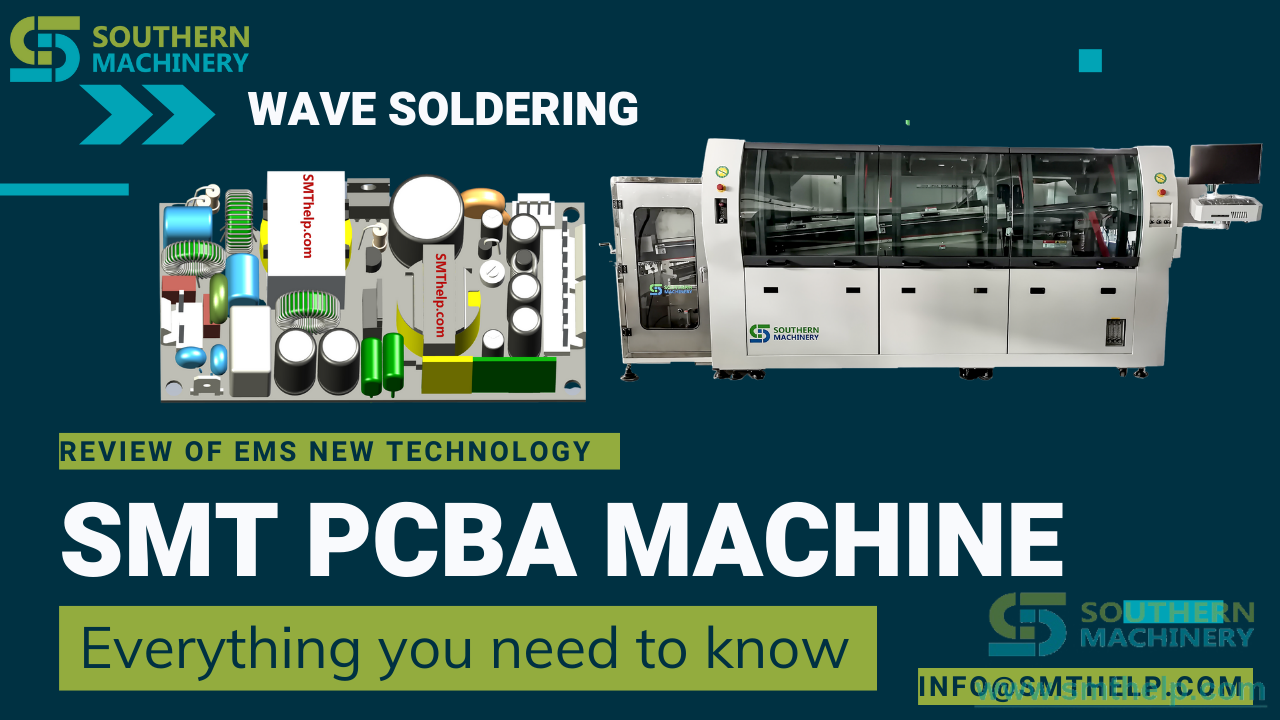
Wave Soldering Pressure-Plate Fixture: Synthetic Stone PCB Carrier by Southern Machinery
Wave soldering quality is largely decided before the board reaches the solder. If the carrier cannot keep the panel level as it crosses the wave, the solder cannot wet every joint consistently, and the defects show up as bridges and open joints that were never a solder-pot problem. Southern Machinery's wave soldering pressure-plate fixture is a custom carrier with a hold-down plate, built from high-hardness synthetic stone selected for high-temperature and corrosion resistance, and engineered around your board — by sample or by drawing — with a reference 48-hour prototyping turnaround before full production.
The cost you haven't named: board flatness in the wave
Most wave defects get blamed on temperature or flux. The quieter cause is a board that was never held flat.
- Boards that float off the wave. Unstable PCBs lift, shift or sag as they cross the wave, creating bridges and open joints that vary board to board.
- Tooling that cannot take the heat. Fixtures that warp under wave temperature scrap boards and need frequent replacement, quietly raising the cost per joint.
- Flux attack and corrosion. Wave flux corrodes poor tooling materials quickly, so a cheap carrier becomes an expensive recurring purchase.
- Standard carriers that do not fit. Generic pallets ignore your board layout and component heights, leaving gaps where the board moves.
The Four-Point Wave Flatness Audit
Before ordering a wave carrier, qualify the board with a repeatable audit. Call it the Four-Point Wave Flatness Audit.
1. Map the deflection risk. Note where components stand proud, where the board is thin or large, and where lifting has appeared in past runs. Those are the points the hold-down plate must control.
2. Score the thermal load. Estimate the wave temperature and dwell your board sees, and check whether your current carrier material survives that without warping.
3. Assess flux exposure. Count how much flux contacts the carrier each run and whether your current material resists corrosion or needs frequent replacement.
4. Set the fit spec. Define the board outline, edge rails and component heights the carrier must follow, plus the flatness you will accept at incoming inspection.
The vehicle: Wave Soldering Pressure-Plate Fixture
The audit maps onto how the fixture is built and used.
- Map the deflection risk → hold-down plate. The pressure-plate design keeps the PCB flat and stable as it travels through the solder wave, preventing lifting and shifting that cause bridges and open joints.
- Score the thermal load → synthetic stone. High-hardness synthetic stone resists the wave's high temperature without warping, so boards and carrier both survive the run.
- Assess flux exposure → corrosion resistance. The same material resists flux attack and corrosion, lowering replacement frequency versus poor-tooling alternatives.
- Set the fit spec → board-specific design. Engineered by sample or drawing with a reference 48-hour prototyping turnaround, the carrier follows your board instead of forcing it into a generic frame.
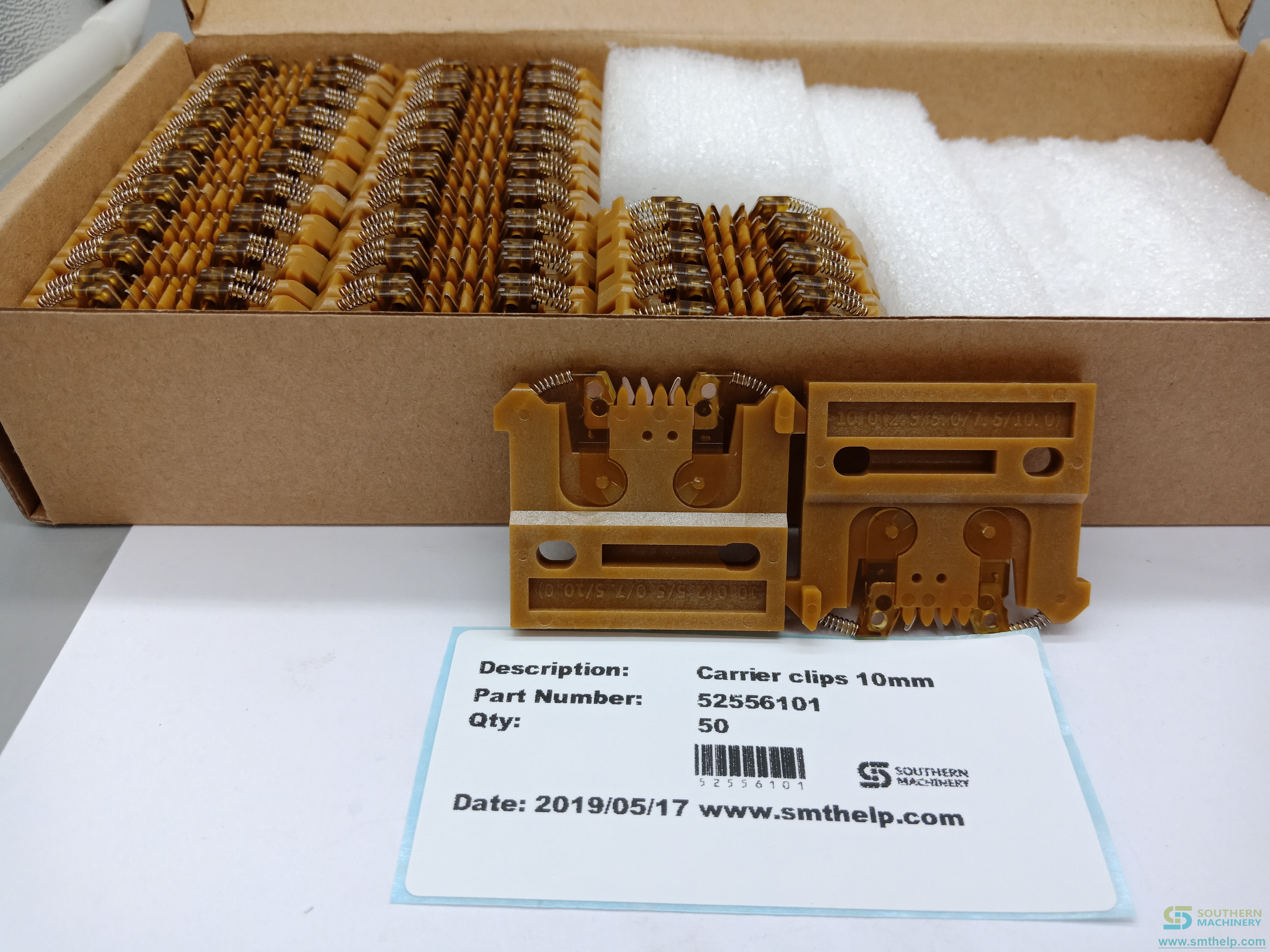
Carrier clips secure the board against the pressure plate and keep it positioned through the wave, especially on boards with uneven component loading.
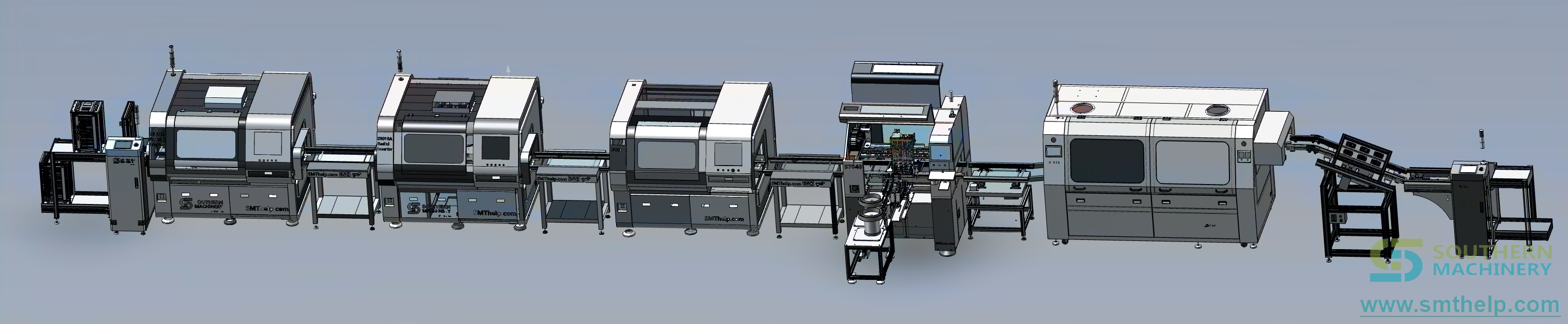
In a THT line, the pressure-plate carrier integrates after auto-insertion: inserted boards load into the fixture, cross the wave flat, and exit ready for cleaning and inspection.
Specification note: carrier size range, synthetic stone grade, maximum board temperature and prototyping lead time should be confirmed at quotation, since they follow your board and wave profile.
The loop: re-check the carrier at every board change
Product mixes change, and so do flatness demands. Build a loop: every time a board revision alters its size, component heights or edge rails, re-run the Four-Point Wave Flatness Audit and confirm the carrier still holds. Review bridge and open-joint rates monthly from inspection, and feed repeat defects back to the tooling design. The loop keeps the synthetic-stone fixture matched to the board instead of to the assumption from first article, and is what protects the payback benchmark — validate it against your own scrap cost and shift pattern.
Your next step
Send us your board sample or drawing and the wave defects you see today. We will propose a synthetic-stone pressure-plate design with a reference 48-hour prototype and tell you what to confirm at quotation for size, grade and temperature. Reach Jason at jasonwu@smthelp.com or on WhatsApp +86 13602562576.
FAQ
What is a pressure-plate wave fixture?
It is a wave soldering carrier with a hold-down plate that keeps the PCB flat and stable through the solder wave to prevent lifting and shifting.
Why synthetic stone?
High-hardness synthetic stone resists the wave's high temperature and flux corrosion better than many alternatives, lowering replacement frequency.
How fast can a prototype be made?
Southern Machinery offers a reference 48-hour prototyping turnaround before full production, subject to board complexity confirmed at quotation.
Can it be built for my board?
Yes. It is engineered by sample or by drawing to follow your board outline, edge rails and component heights.
What should I confirm before ordering?
Carrier size range, synthetic stone grade, maximum board temperature and prototyping lead time are confirmed at quotation against your board and wave profile.
Jason Wu
Founder & CEO, Southern Machinery (Shenzhen Southern Machinery Sales and Service Co., Ltd.)
Email: jasonwu@smthelp.com / info@smthelp.com
WhatsApp: +86 13602562576
Catalog & manuals: file.autoinsertion.com | Machine photos: ph.smthelp.com
LinkedIn: linkedin.com/in/smtsupplier | YouTube: youtube.com/c/Smthelping
Comments
Comments appear after approval.