
The hidden margin in wave soldering is hiding inside your furnace
Finger marks, warped pallets, and chain jitter quietly eat your wave soldering yield. A field guide to the consumables nobody budgets for — and the 50/90/100 matching method.
Aug 12, 2026 · Updated Aug 28, 2026 · Jason Wu
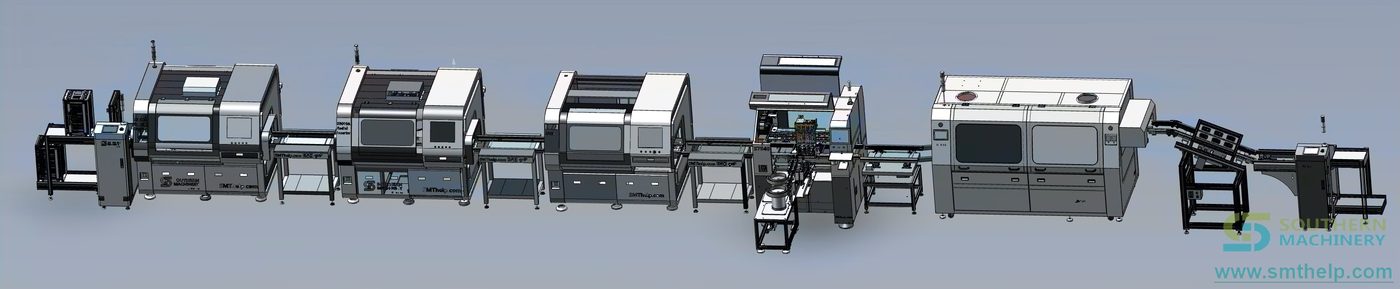
Ask a plant where its wave soldering margin went and you will get answers about flux, nitrogen, or the profile. Rarely will anyone point at the titanium fingers holding your pallets — the cheapest component in the furnace and the one touching every single board you sell. I have spent enough shifts pulling pallets out of hot chambers to know: the fingers are the silent line item.
What worn fingers actually cost
Marking and shadows. A finger whose plating has burned through leaves contact marks on pads and components — cosmetic escapes that become customer complaints, or worse, solder shadows during the wave.
Warped pallets, warped boards. Fingers that no longer grip evenly let pallets sit at an angle. The wave sees one side of the board before the other, and your defect data starts looking like a weather report — worse on the left.
Chain jitter. Worn finger assemblies transfer their play into the conveyor. Boards enter the flux and wave zones with micro-vibration. Nobody traces a hopper defect back to a $20 part until the furnace is empty.
The 50/90/100 matching method
When customers send us a broken finger from a Dover, Ersa, or machine-shop-built wave, we do not guess. Three steps, learned from years of spare-parts work:
- Identify (50%). Photo plus part number from the machine's manual — half the match is done before we touch metal.
- Verify (90%). We measure the sample or drawing: alloy, coating, spring force, mounting geometry. Titanium grade and plating are not interchangeable; they are the product.
- Replicate (100%). Production matches the verified sample, and the first article goes back to you for confirmation before the batch ships.
The full titanium finger and claw reference documents the geometry decisions and why cheap substitutes fail at temperature, not at rest.
The framework: treat consumables as process control
- Log finger condition at every preventive maintenance, same as nozzle changes.
- Rotate pallets 180° on schedule so wear stays symmetric.
- Keep one spare set of fingers for every 50 stations on the line.
- When yield drifts with no profile change, look inside the furnace before you blame the paste.
This is the whole argument: wave soldering quality is held — literally — by the parts nobody budgets for.
What this looks like on a real line
A client running mixed LED and power boards kept fighting intermittent bridging on one lane only. Profile, flux, and paste were identical across lanes. The difference: that lane's fingers had 40% more contact area, because replacements from a bargain supplier had thicker arms that deformed the pallet clips. Correct geometry, matched to the original drawing, closed the case in one changeover.
Your move: photograph your current finger, note the machine model, and send it over. We will run the 50/90/100 match and quote with the drawing attached — so you can verify, not trust. WhatsApp · info@smthelp.com. And if you want to see a full wave line running end to end, the S-WS350 documentation is public.
_— Jason Wu, Southern Machinery. Your Trusted Partner for SMT & THT Solutions — down to the last finger in the furnace._
Comments
Comments appear after approval.