
When Your Customer's Engineers Refuse to Accept a Part Number
Supplying feeders and nozzles to a global placement machine manufacturer means three organisations, two design revisions, CE marking and one commercial position. Here is how we kept Japan, the US and Mexico on the same answer.
Aug 30, 2026 · Updated Aug 30, 2026 · Jason Wu
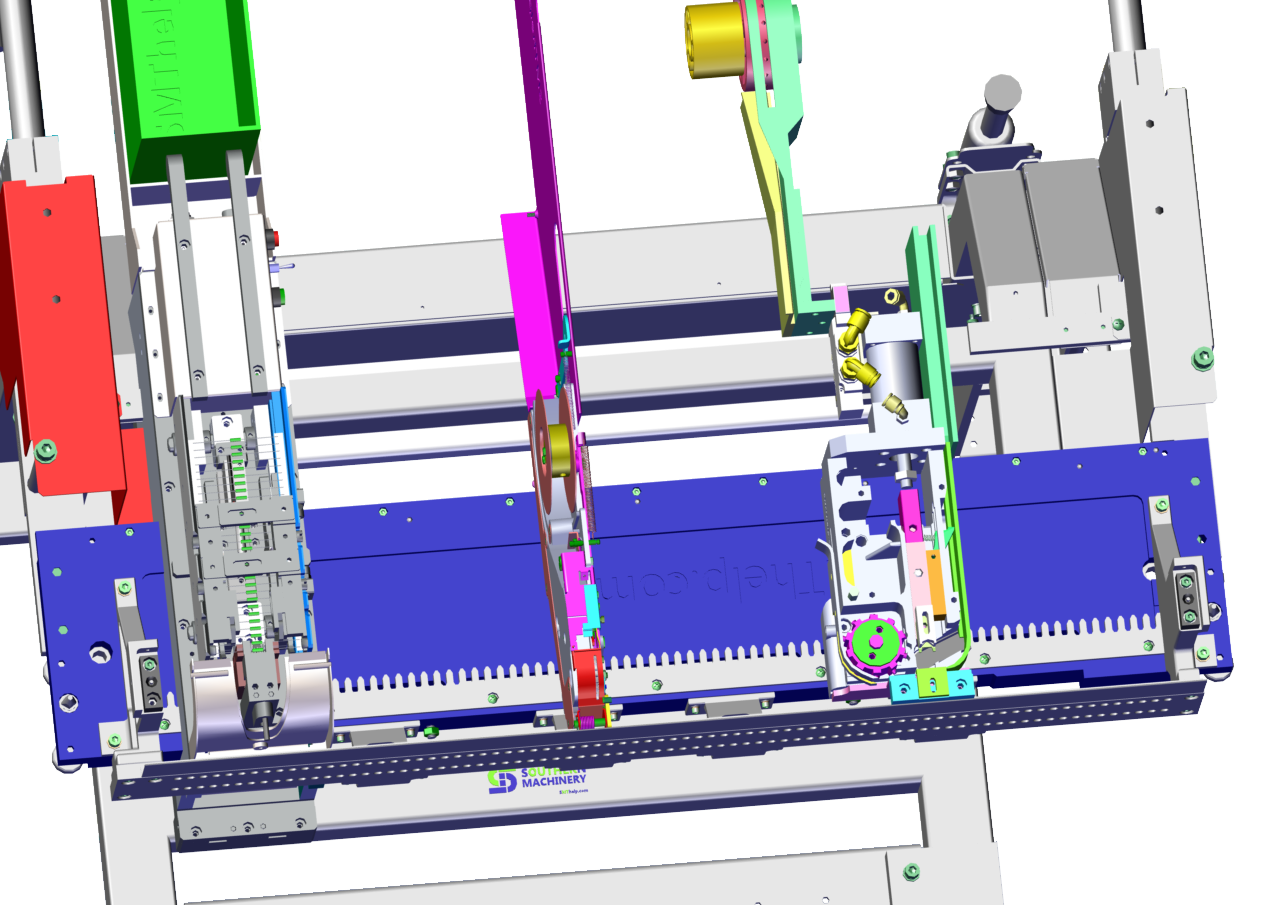
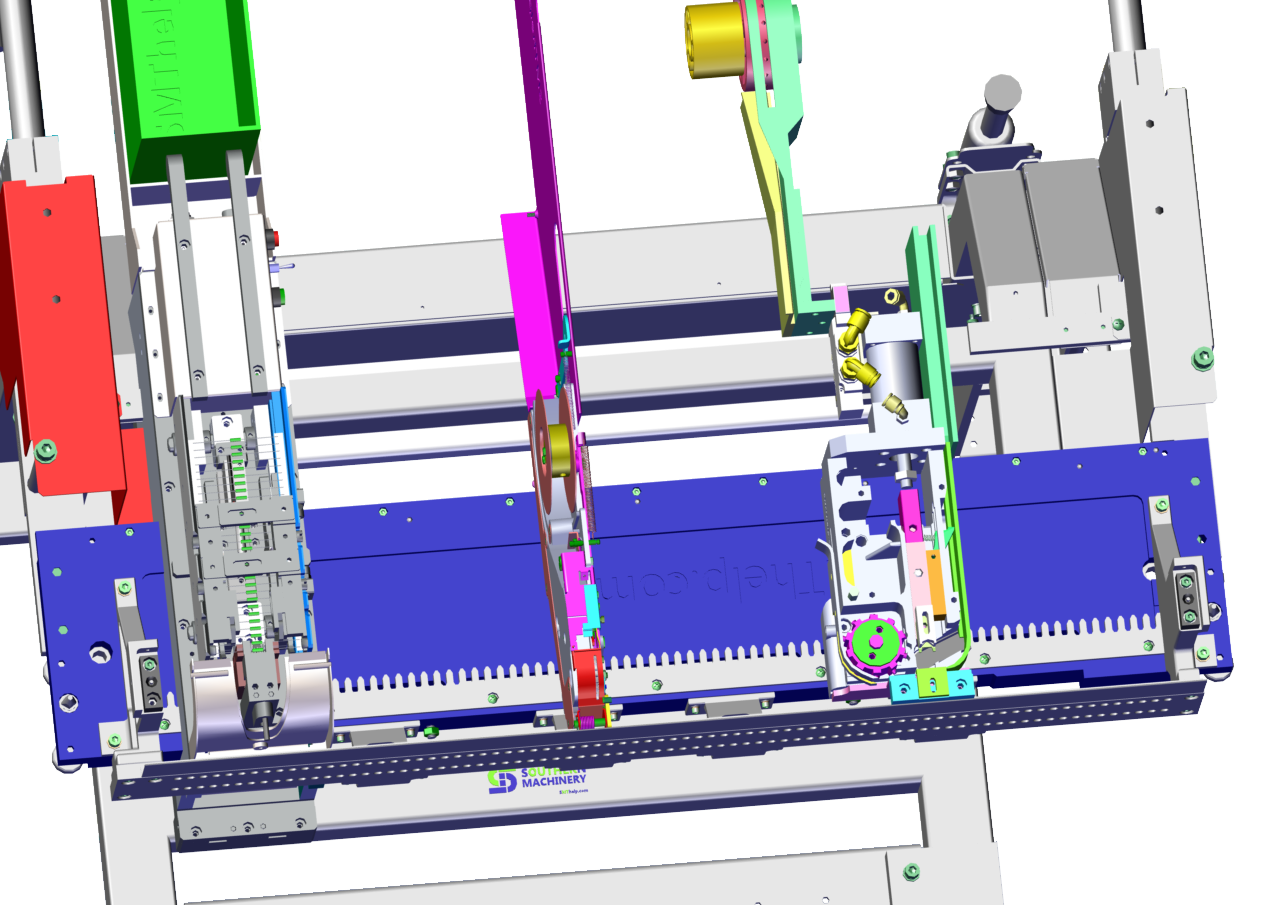
A stacked tube feeder for tube-fed components. Tube separation, indexing and pickup position were all revised during this programme. Product page: smthelp.com/stf-1002-stacked-tube-feeder.html
The hardest customer you will ever supply is the one who builds what you build
Selling feeders and nozzles to a company that manufactures pick-and-place machines is a different sport. Their engineers do not accept a catalogue part number as an answer. Every design change has to be justified on the machine: pickup position, tube indexing, how parts separate inside the tube.
We have supplied this multinational since 2020 - reel terminal feeders for chain terminals, vibration stick feeders for tube-fed parts, bulk feeders, tray feeders and custom nozzles. Their engineering organisation is in Japan, and they have sales and service subsidiaries in the United States and Mexico. Three organisations, three sets of expectations, one relationship.
Your quote reached the wrong continent
Here is the failure mode that quietly destroys OEM supply relationships. A quote goes to the Mexican subsidiary. The Mexican subsidiary likes it. Then it has to be reconciled with what the Japanese headquarters already approved - and it does not match.
Nothing was wrong with the engineering. What was missing was a single commercial and technical position that holds across legal entities. Meanwhile the compliance clock is running: documentation and CE marking are required before anything ships to a European or Japanese plant, and a shipment held at goods-in for missing marking costs more than the parts.
The three-organisation rule
When you supply an OEM, manage three things explicitly rather than hoping they stay aligned.
1. One position, documented. The specification, the revision history and the commercial terms have to be identical whichever entity asks. Keep the revision log where all three can see it. If Mexico and Japan get different numbers, you lose both. Track revision numbers, not file names - a drawing called "feeder-v3-final" is exactly how two entities end up building to different geometry.
2. Revision before volume. Expect to change the design after the first build, and say so in the plan. Two revisions on our vibration stick feeder - tube separation and indexing, then pickup position - were made in Dec 2025. That is the process working, not failing.
3. Compliance closed before shipment, not after. CE marking is a gate, not a formality. Close it while the goods are still in your building.
What the programme produced
We ran these feeders as a development programme rather than a spare-parts line. The vibration stick feeder went through two documented design revisions on 22 Dec 2025: the tube separation and indexing method, and the pickup position. CE marking was completed in the same month, which removed the compliance question for European and Japanese deliveries entirely.
The batch ordered on 6 Jan 2026 - ten vibration stick feeders - was accepted on 19 Jan 2026. Forty-four days from order to batch acceptance including a redesign. A further order for two feeders plus custom guide parts followed on 27 Feb 2026.
The commercial structure followed the engineering. On 18 Mar 2026 the cooperation agreement with the Japanese headquarters was signed, which turned a series of single orders into a standing arrangement. Three of our people carried it: Jason Wu on the Japan and Mexico threads, Kevin Yang building the technical and marketing collateral for the Americas, Leon Hong on tray and belt feeder enquiries.
All of the above is a delivery record from our project system. No production measurements are published, and no part numbers tied to the agreement appear here.
The test for your own OEM accounts
Pick your most demanding customer and check whether the person quoting in one country and the person approving in another are working from the same document. If they are not, you do not have an account. You have three separate negotiations that happen to involve the same company. The document they are holding is the one they will build to, whether or not it is the current one.
Next in this series: nine component types in three packaging formats on one board, and the proposal that took thirteen days.
This article is part of Case Files: 20 Real SMT/THT Projects - twenty de-identified field projects from Southern Machinery. Each one carries the symptom the customer reported, the engineering decision we made, and the delivery record that followed. Customer names, prices and contract values are removed; dates, team members and machine classes are real.
Start here
If you supply into an OEM, write down every entity that can approve a purchase and check they all hold the same revision.
If you need feeders engineered against a machine interface rather than bought from a catalogue, start with the interface drawing.
Note: This configuration is a draft and must be finalized and reviewed by our senior Sales Engineer (Jason Wu).
Action Required: Please provide your Gerber file or PCB drawings to info@smthelp.com for an accurate capacity simulation and nozzle engineering validation.
Comments
Comments appear after approval.