
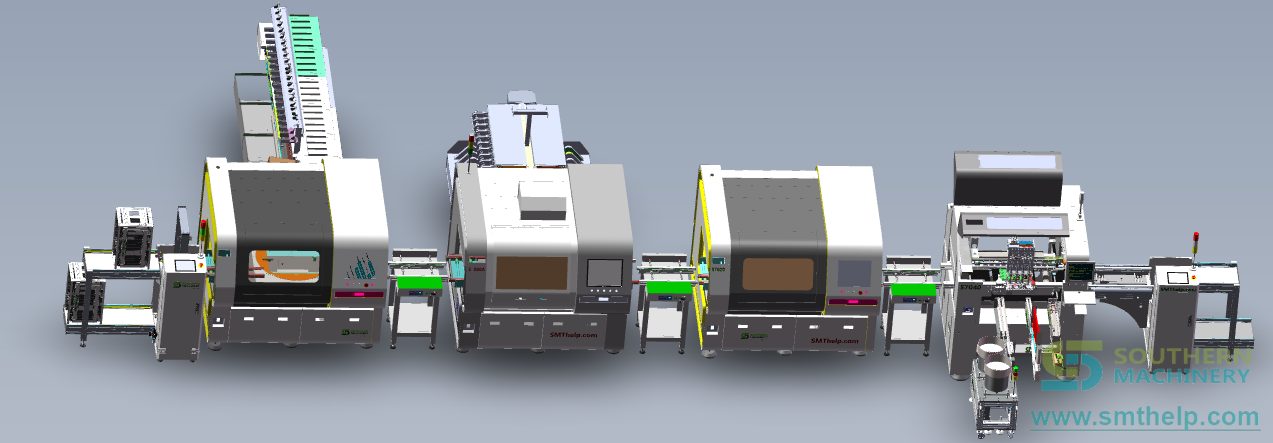
The most expensive sound on your PCB line is the silence of manual insertion
Ten stations of operators placing radial parts one by one is not labor — it is a recurring tax on quality, capacity, and planning. Here is how to size the escape.
Series
A practical roadmap for moving through-hole insertion from hands to machines.
Ten stations of operators placing radial parts one by one is not labor — it is a recurring tax on quality, capacity, and planning. Here is how to size the escape.
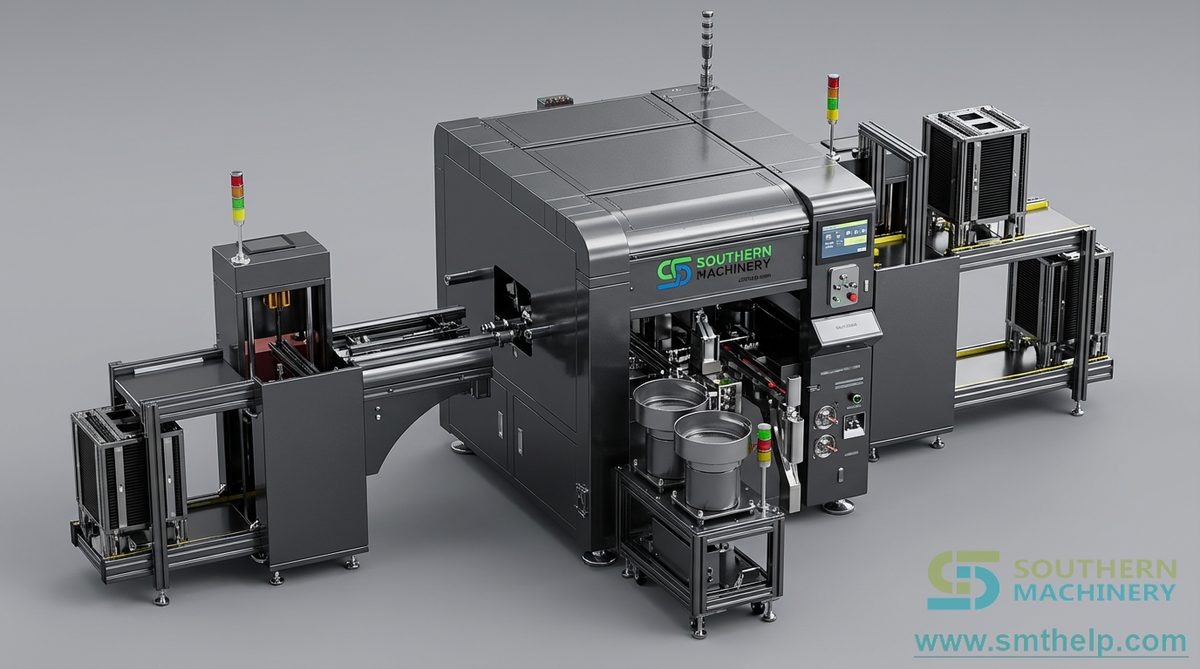
Connectors, transformers and relays do not have to mean hand insertion. Bowl, belt, tube, tray, reel — each feeding level buys you speed and polarity control.
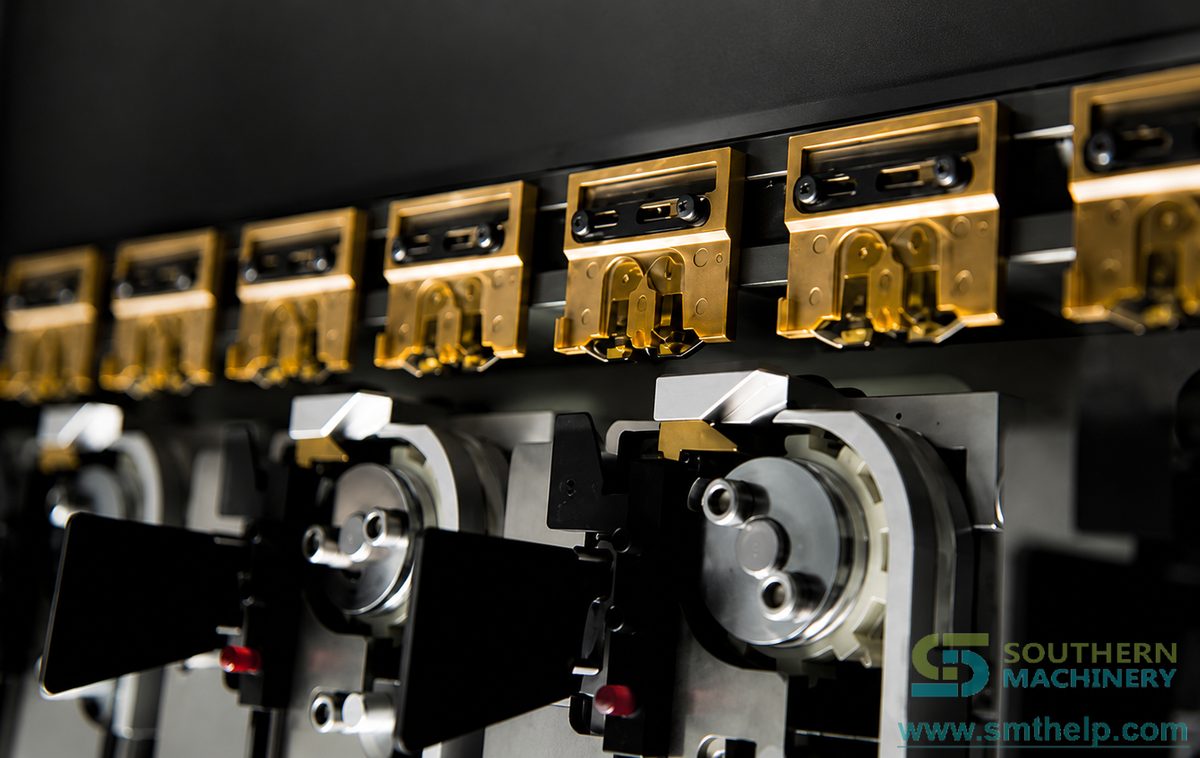
The pre-sales motion I turned into a free product: a live demo of YOUR parts on our insertion machines plus a one-page evaluation report — yours whether you buy or not.
The SMT side can run unattended. Then boards reach the through-hole benches, and the shift ends when the operators do.
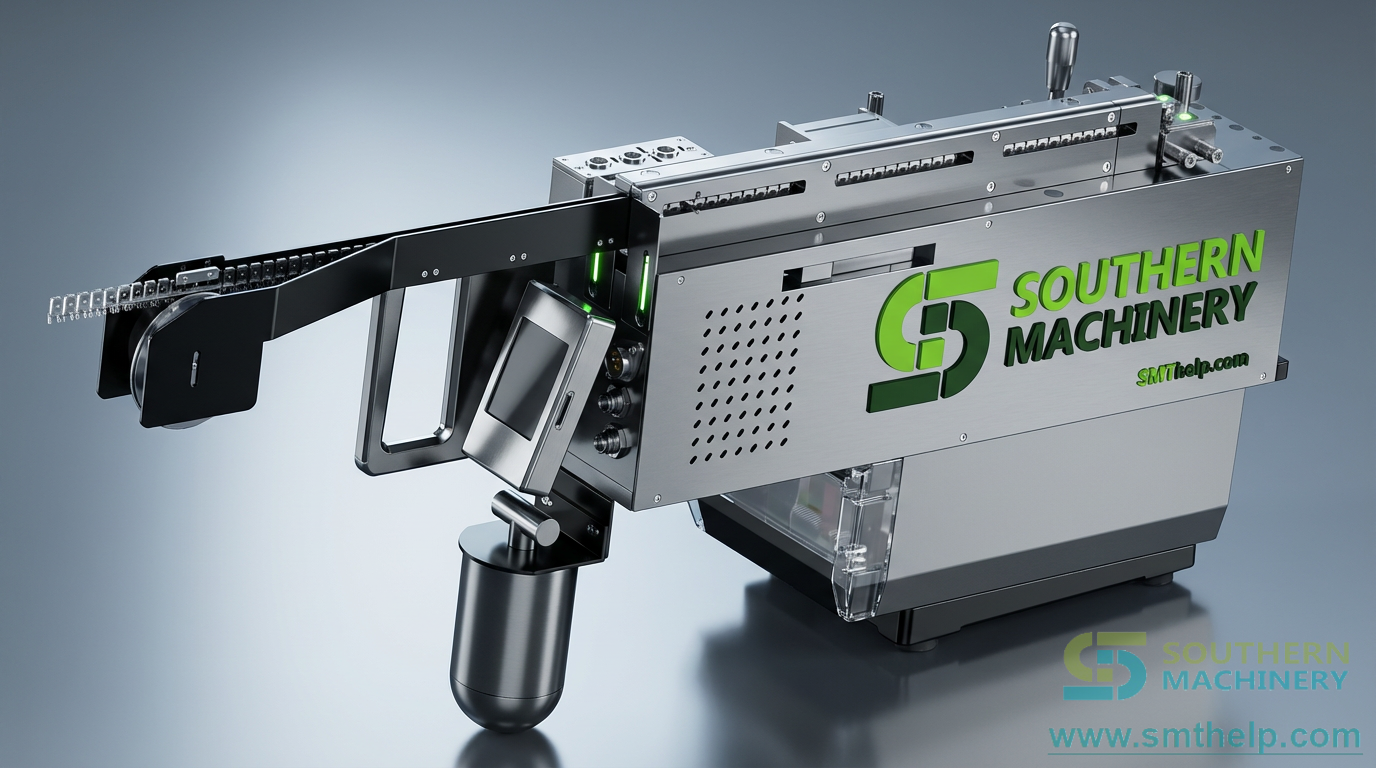
Every pallet in your store is a bet that a board will come back in volume. In HMLV work, most of those bets lose — and the pallet is still on the shelf.
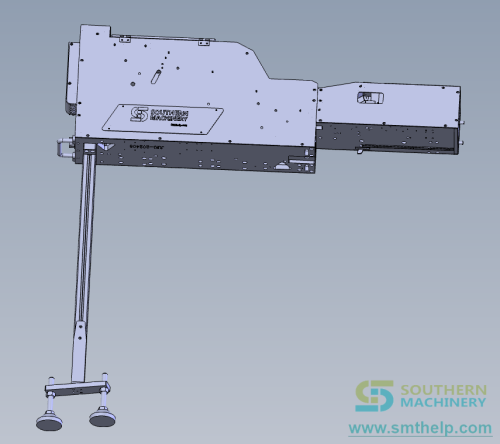
Every plant has one: a custom-tooled bowl feeder that cost real money and now holds a part number you no longer build. The technology wasn't wrong. The selection test was.
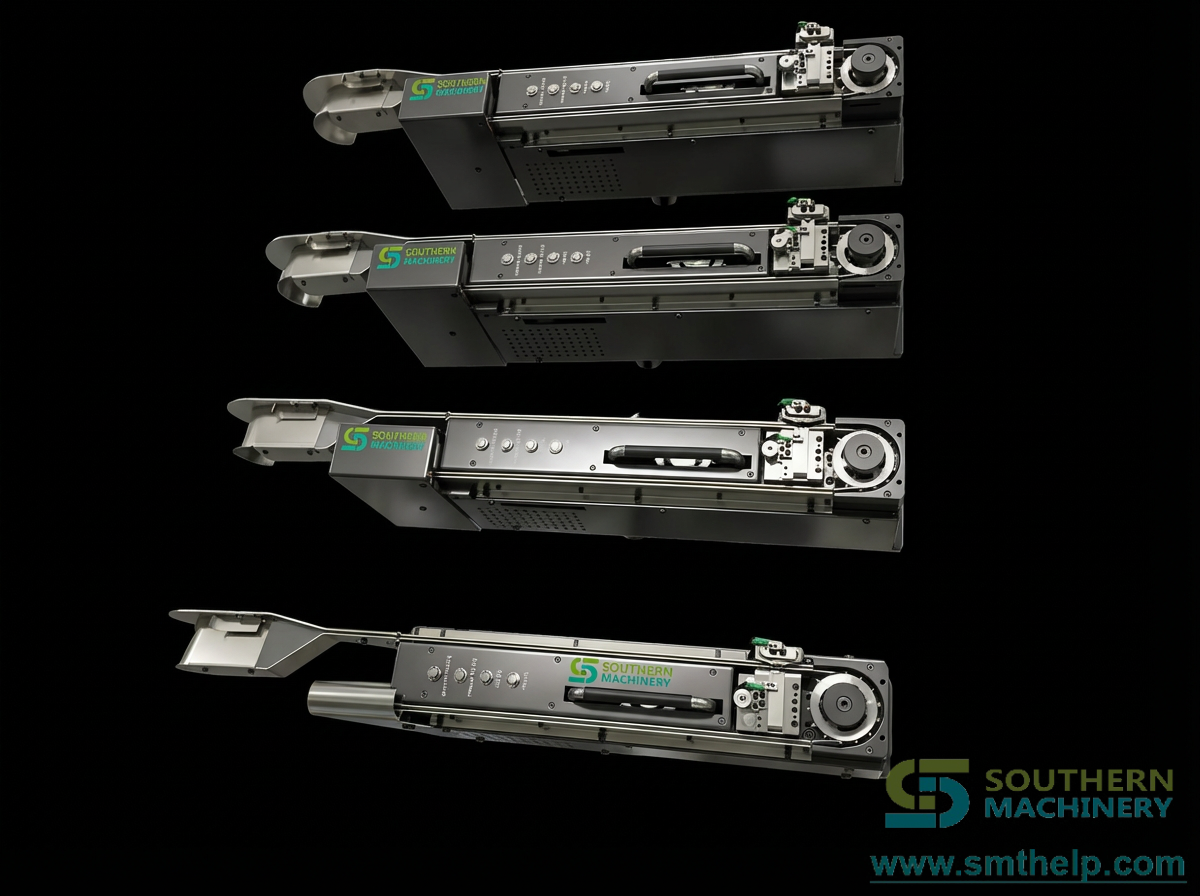
Your SMT side is repeatable and your THT side is still people. Often the whole difference is one taped radial capacitor nobody can feed consistently.
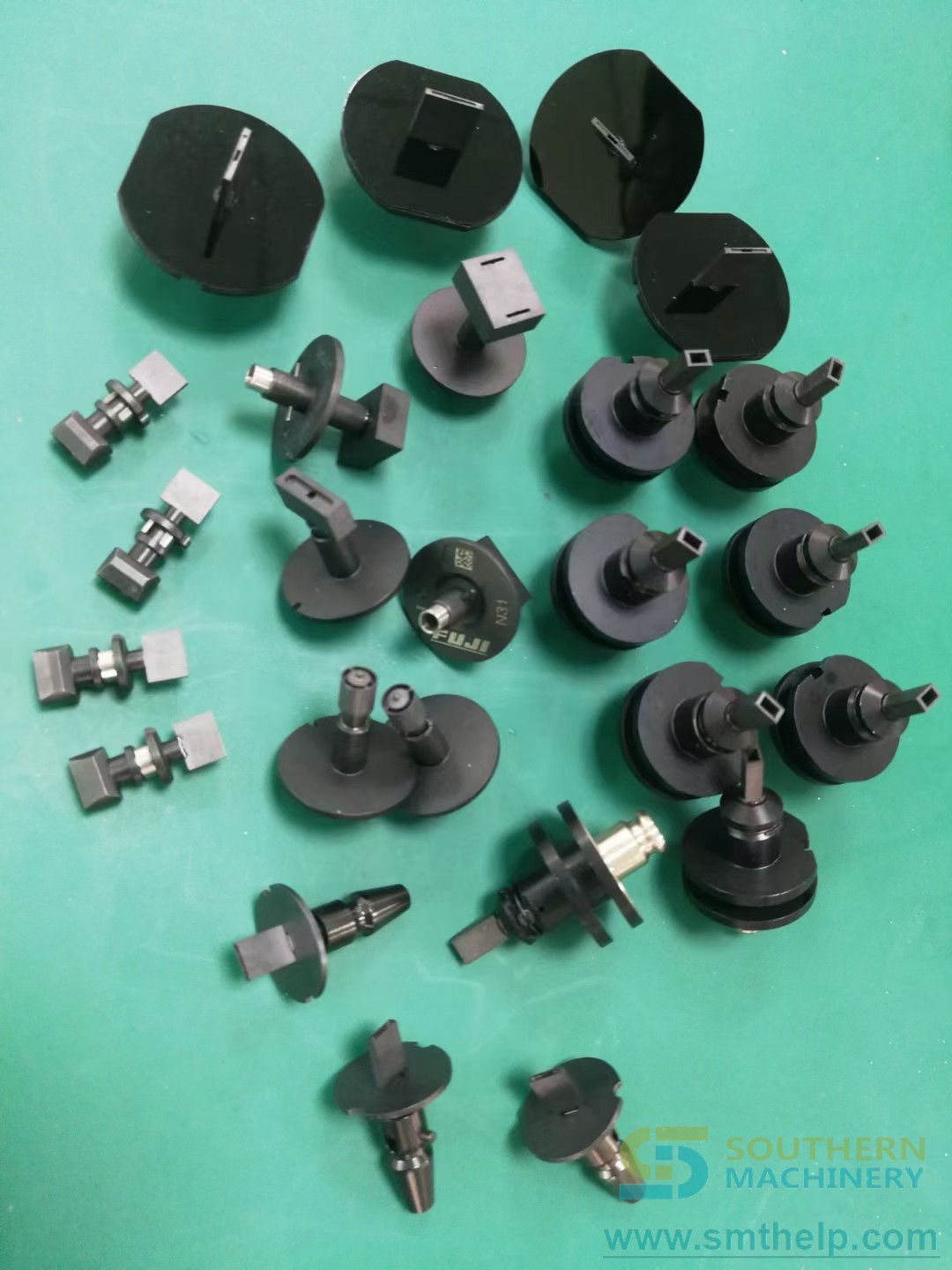
When a connector will not place reliably, the temptation is to blame the mounter. The failure is almost always the interface between part, feeder and pickup.

Buyers compare printers, mounters and reflow ovens. The losses hide in the one metre of air between them — where an operator picks up a board and becomes the conveyor.
Now Playing
Powering the Future
The Southern Machinery Anthem